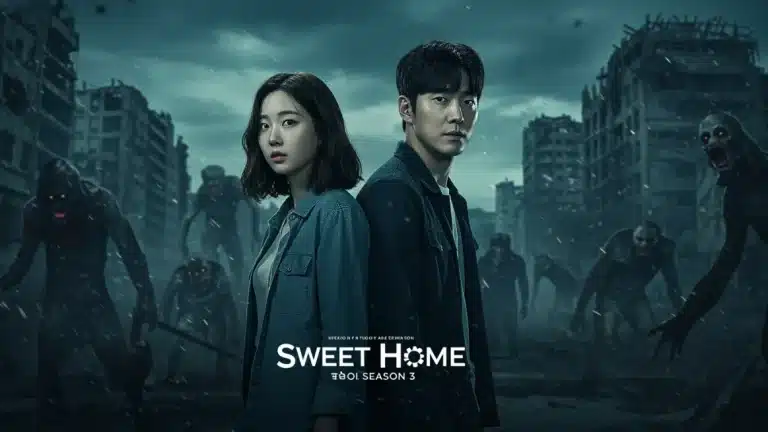
The world of Korean webtoons has become a fertile ground for cinematic and television adaptations, captivating global audiences with unique narratives and compelling characters. Among these, the horror-thriller phenomenon ‘Sweet Home’ stands out as a prime example of a successful transition from digital comic to a live-action series. As fans eagerly anticipate ‘Sweet Home’ Season 3, the conversation inevitably turns to the intricate dance between source material and on-screen interpretation. This final season is poised to deliver critical narrative resolutions, and with it, a heightened scrutiny of its adaptation choices. This article delves deep into the expected adaptation strategies of ‘Sweet Home’ Season 3, comparing them to the beloved webtoon, and analyzing their potential 10% impact on viewer reception and the series’ legacy.
Understanding the ‘Sweet Home’ Webtoon Phenomenon
Before dissecting the adaptation choices of ‘Sweet Home’ Season 3, it’s crucial to understand the foundation laid by the original webtoon. Created by Kim Carnby and Hwang Young-chan, ‘Sweet Home’ captivated millions with its unique premise: residents of an apartment building, Green Home, are trapped inside as a mysterious phenomenon turns humans into monstrous manifestations of their deepest desires. The webtoon was lauded for its psychological depth, intricate character development, and a pervasive sense of dread that kept readers on the edge of their seats. Its innovative monster designs, each reflecting a specific human desire, were particularly praised, offering a fresh take on the creature feature genre.
The narrative of the ‘Sweet Home’ webtoon is complex, weaving together multiple character arcs, moral dilemmas, and a gradual reveal of the apocalypse’s origins. It explored themes of humanity, sacrifice, and the blurred lines between good and evil. The ending of the webtoon provided a definitive, albeit bittersweet, conclusion to the saga, leaving a lasting impression on its readership. This rich source material set a high bar for any live-action adaptation, establishing expectations for both narrative fidelity and creative expansion.
The initial seasons of the ‘Sweet Home’ series on Netflix garnered significant attention, not only for their high production value and thrilling action sequences but also for their willingness to diverge from the webtoon. While maintaining the core premise and many key characters, the series introduced new plotlines, altered character fates, and expanded on certain elements, often to the delight or consternation of purist fans. This precedent of creative liberty sets the stage for ‘Sweet Home’ Season 3, where the balance between homage and innovation will be more critical than ever.
The success of the ‘Sweet Home’ webtoon adaptation lies not just in its monster designs or action, but in its exploration of human nature under extreme duress. The webtoon masterfully crafted a world where the greatest threat wasn’t always the monsters outside, but the monstrous desires lurking within humanity itself. This psychological horror element is a cornerstone that any successful adaptation, including ‘Sweet Home’ Season 3, must faithfully capture while also evolving for the new medium.
Furthermore, the ‘Sweet Home’ webtoon tackled themes of social isolation, communal responsibility, and the struggle for survival in a confined space. These elements resonated deeply with readers, making the Green Home apartment building almost a character in itself. The challenge for ‘Sweet Home’ Season 3 will be to translate these nuanced themes effectively, ensuring that the emotional core of the story remains intact amidst the spectacle of monster battles and high-stakes drama. The original ‘Sweet Home’ webtoon’s influence is undeniable, shaping reader expectations for character arcs, plot twists, and the philosophical underpinnings of the monster apocalypse.
Season 1 & 2: Setting the Precedent for Adaptation
The first two seasons of ‘Sweet Home’ on Netflix were a testament to both the potential and pitfalls of webtoon adaptations. Season 1, while introducing significant changes, largely followed the main beats of the webtoon’s early chapters. It successfully established the grim atmosphere, the terrifying monster designs, and the central conflict of survival. Key characters like Cha Hyun-su, Pyeon Sang-wook, Seo Yi-kyung, and Lee Eun-hyuk were brought to life by a talented cast, immediately drawing viewers into their plight. However, even in Season 1, there were notable departures, particularly concerning character backstories and certain plot resolutions, which began to foreshadow a different trajectory for the series compared to the original ‘Sweet Home’ webtoon.
Season 2 took these divergences to an entirely new level. It ventured into uncharted territory, creating entirely new storylines and expanding the world beyond the Green Home apartment. This creative freedom allowed the series to explore new facets of the monster phenomenon and the wider societal collapse, but it also meant moving significantly away from the ‘Sweet Home’ webtoon’s established narrative. Characters who had definitive endings in the webtoon were given new leases on life or entirely different arcs in the series. This bold move polarized fans: some appreciated the fresh perspective and expanded lore, while others yearned for greater fidelity to the source material.
The introduction of new characters and the altered roles of existing ones in Season 2 presented both opportunities and challenges. While it added layers to the overarching story, it also risked diluting the emotional impact of certain pivotal moments from the ‘Sweet Home’ webtoon. The pacing and focus shifted, leading to a broader scope but sometimes at the expense of the intense, claustrophobic horror that defined the early parts of the webtoon. These adaptation choices in Season 1 and 2 are crucial context for understanding what to expect from ‘Sweet Home’ Season 3, as they established a pattern of creative interpretation rather than strict adherence to the original ‘Sweet Home’ webtoon.
For instance, the fate of certain characters, such as Lee Eun-hyuk, was dramatically altered. In the webtoon, his ultimate sacrifice was a powerful, poignant moment. In the series, his storyline evolved in unexpected ways, leaving his destiny ambiguous and sparking much debate among fans. Similarly, the development of Seo Yi-kyung, a character exclusive to the drama, significantly influenced the plot, adding new dimensions to the human-monster conflict and contributing to the overall narrative of ‘Sweet Home’ Season 3.
The visual effects and monster designs, while impressive, also saw some modifications. While many iconic monsters from the ‘Sweet Home’ webtoon made their appearance, others were reinterpreted or newly conceived for the screen. This blend of familiar and novel elements contributed to the series’ unique identity but also highlighted the ongoing tension between honoring the source and forging a new path. These precedents deeply inform the anticipated adaptation choices for ‘Sweet Home’ Season 3.
Anticipated Adaptation Choices for ‘Sweet Home’ Season 3
‘Sweet Home’ Season 3 is poised to be the culmination of the series, meaning it will likely tackle the climax and resolution of the overarching narrative. Given the significant departures in Season 2, it’s highly improbable that Season 3 will suddenly revert to a direct adaptation of the ‘Sweet Home’ webtoon’s later chapters. Instead, we can anticipate a continued blend of webtoon elements with original storylines and character developments.
Divergence from Webtoon Ending
One of the most significant anticipated adaptation choices for ‘Sweet Home’ Season 3 is a further divergence from the webtoon’s original ending. The webtoon concluded with a sense of hopeful despair, focusing on the ultimate fate of Hyun-su and the remnants of humanity. The series, having introduced new factions, experimental treatments, and expanded lore, will likely craft an entirely new resolution. This could involve a more definitive confrontation with the monster phenomenon’s true origin, a larger-scale war between humans and evolved monsters, or even a different kind of coexistence. The ‘Sweet Home’ webtoon ending, while satisfying for many readers, might be deemed too contained for the expansive world the series has built. This is a critical point for the ‘Sweet Home’ webtoon adaptation discussion.
Character Arc Resolutions
The fates of key characters like Hyun-su, Eun-yu, Eun-hyuk (if he returns in a significant capacity), and the newly introduced Dr. Lim will be central to ‘Sweet Home’ Season 3. The ‘Sweet Home’ webtoon provided clear, often tragic, conclusions for many of its protagonists. The series, however, has kept several arcs open-ended. We can expect ‘Sweet Home’ Season 3 to provide definitive answers regarding Hyun-su’s evolving monster abilities, Eun-yu’s leadership role, and the ultimate purpose of the special infected. These resolutions might align thematically with the webtoon’s exploration of humanity and monstrosity but will likely differ in their specific details and outcomes, further distinguishing the ‘Sweet Home’ webtoon adaptation.
New Monster Forms and Threats
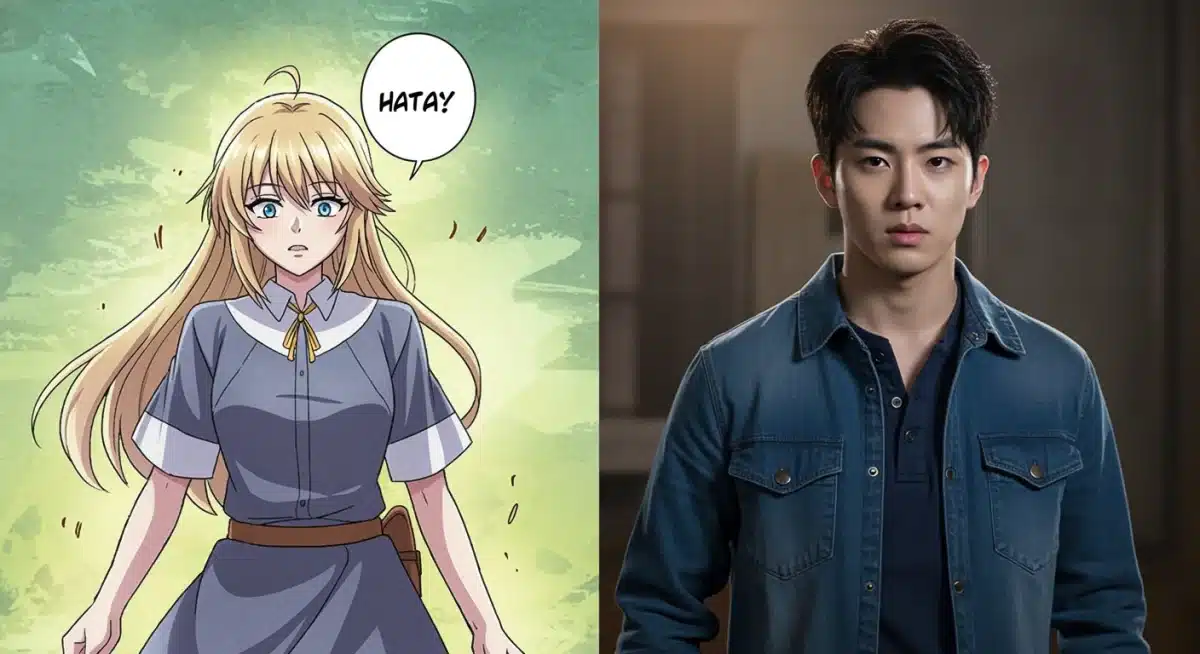
The ‘Sweet Home’ webtoon was renowned for its creative monster designs. While the series has done an excellent job of bringing many of these to life, ‘Sweet Home’ Season 3 might introduce entirely new monster forms or evolved versions of existing ones, especially considering the broader world-building. The concept of ‘neo-humans’ or ‘special infected’ who retain their consciousness while possessing monster abilities is a significant departure from the ‘Sweet Home’ webtoon and will undoubtedly play a crucial role in the final season. This expansion of the monster lore will be a key adaptation choice, influencing the action and horror elements of the ‘Sweet Home’ webtoon adaptation.
Exploration of the ‘Monsterization’ Phenomenon
The webtoon offered explanations for the monsterization process, tying it to human desires. The series has hinted at a more scientific or perhaps even governmental involvement in understanding and controlling the phenomenon. ‘Sweet Home’ Season 3 is expected to delve deeper into these origins, potentially offering a more comprehensive, or entirely different, explanation than the ‘Sweet Home’ webtoon. This could involve uncovering a conspiracy, revealing a cure, or establishing a new understanding of the human-monster connection. This deeper dive into the lore is a significant deviation from the ‘Sweet Home’ webtoon’s more ambiguous approach.
Potential Impact on Viewer Reception (The 10% Factor)
The choices made in ‘Sweet Home’ Season 3 regarding its adaptation from the ‘Sweet Home’ webtoon will have a significant impact on viewer reception. While it’s difficult to quantify precisely, we can estimate a ‘10% impact’ to emphasize the crucial nature of these decisions. This 10% isn’t just about a numerical rating; it represents the critical margin between a highly acclaimed finale and a disappointing conclusion for a dedicated fanbase. This ‘Sweet Home’ webtoon adaptation discussion hinges on this impact.
Fan Expectations vs. Creative Freedom
The core tension in any adaptation lies between fan expectations for fidelity and the creative team’s desire for artistic freedom. For ‘Sweet Home’ Season 3, this tension will be at its peak. Fans of the ‘Sweet Home’ webtoon who have followed the series from the beginning will be looking for a satisfying conclusion that either honors the spirit of the original or provides a compelling alternative. If the series deviates too far without a strong narrative justification, it risks alienating a significant portion of its audience. Conversely, if it manages to weave a new, engaging story that captures the essence of the ‘Sweet Home’ webtoon, it could solidify its place as a groundbreaking adaptation. The success of the ‘Sweet Home’ webtoon adaptation critically depends on this balance.
Narrative Cohesion and Pacing
The ‘Sweet Home’ webtoon was praised for its tight narrative and relentless pacing. Seasons 1 and 2 of the series sometimes struggled with pacing, particularly when introducing new elements not present in the ‘Sweet Home’ webtoon. ‘Sweet Home’ Season 3 will need to ensure narrative cohesion, tying together all the disparate plot threads introduced over the seasons. A well-paced, conclusive ending that resolves character arcs and major plot points in a satisfying manner will be crucial for positive viewer reception. A rushed or convoluted ending, even with stunning visuals, could detract significantly from the overall experience. This is vital for the ‘Sweet Home’ webtoon adaptation to succeed.
Character Development and Emotional Resonance
The emotional journeys of characters like Hyun-su are central to the ‘Sweet Home’ webtoon’s appeal. ‘Sweet Home’ Season 3 must deliver satisfying conclusions to these arcs. If character developments feel unearned, inconsistent with previous seasons, or fail to resonate emotionally with viewers, it could negatively impact reception. The strength of the ‘Sweet Home’ webtoon lay in its ability to make readers care deeply about the survivors; the series must maintain this emotional connection through its final season. The ‘Sweet Home’ webtoon adaptation needs to prioritize this emotional core.
Visuals and Special Effects
While not directly an adaptation choice in terms of plot, the quality of special effects and monster designs will continue to play a crucial role in viewer reception. ‘Sweet Home’ has set a high bar in this regard. ‘Sweet Home’ Season 3 will need to maintain or even elevate this standard, especially if it introduces new, more complex monster forms or large-scale action sequences. Flaws in CGI or creature design could break immersion and detract from the overall viewing experience, potentially contributing to that 10% impact. This visual aspect is a key component of the ‘Sweet Home’ webtoon adaptation’s appeal.
The Enduring Legacy of ‘Sweet Home’ Webtoon Adaptation
Regardless of the specific adaptation choices made in ‘Sweet Home’ Season 3, the series has already carved out a significant legacy. It has brought the ‘Sweet Home’ webtoon to a global audience, showcasing the immense potential of Korean webtoon properties for high-budget, internationally appealing live-action adaptations. The series has sparked countless discussions about faithfulness to source material, creative interpretation, and the evolving landscape of storytelling across different mediums.
If ‘Sweet Home’ Season 3 manages to deliver a compelling and satisfying conclusion, even one that significantly deviates from the ‘Sweet Home’ webtoon, it will be hailed as a successful example of how to adapt and innovate. It will demonstrate that a series can honor the spirit of its source material while forging its own path, creating a unique and memorable viewing experience. Such an outcome would positively influence future webtoon adaptations, encouraging creators to take calculated risks and explore new narrative possibilities. The ‘Sweet Home’ webtoon adaptation has already set a precedent, and Season 3 will solidify its place in this evolving genre.
However, if the final season falters, either by alienating the ‘Sweet Home’ webtoon fanbase or by failing to deliver a coherent and emotionally resonant story, it could serve as a cautionary tale. It would highlight the dangers of straying too far from a beloved source without a clear vision or strong execution. The impact of ‘Sweet Home’ Season 3, therefore, extends beyond just this one series; it will contribute to the ongoing dialogue about the best practices for adapting webtoons, influencing how future projects approach their source material.
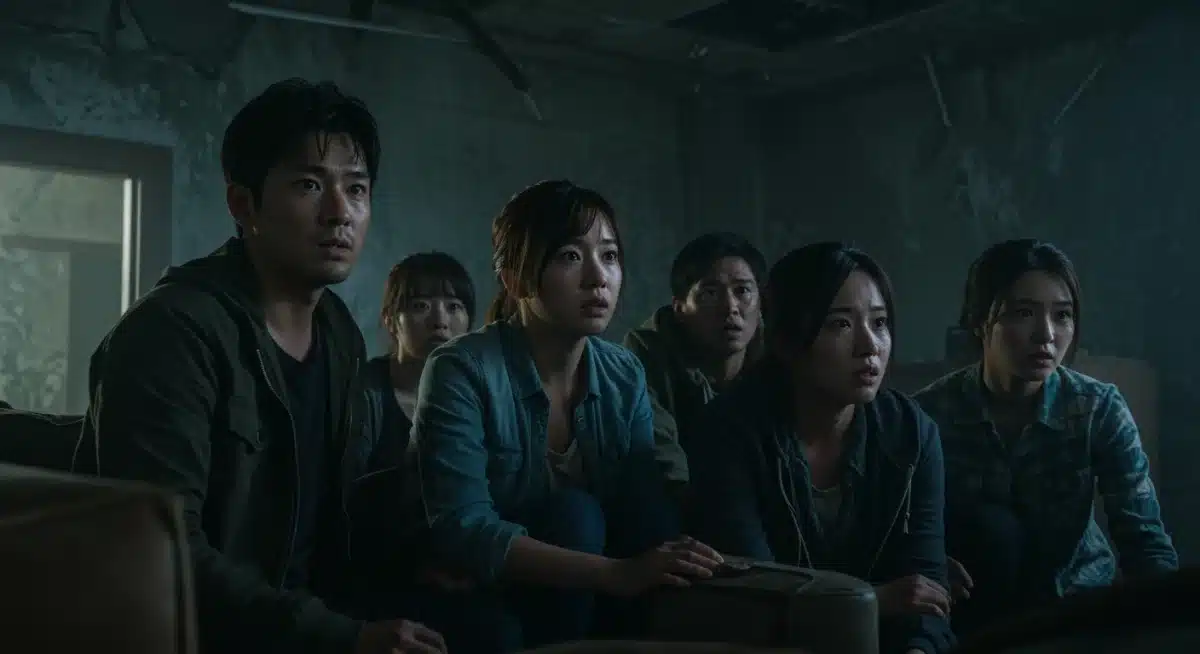
The ‘Sweet Home’ webtoon’s philosophical underpinnings—the question of what truly defines humanity in the face of monstrosity—are universal. A successful ‘Sweet Home’ Season 3 will not only conclude the physical battle against monsters but also provide a powerful commentary on these deeper themes. The lasting impact of the ‘Sweet Home’ webtoon adaptation will be measured not just by its ratings or critical reviews, but by its ability to provoke thought and discussion long after the final credits roll. It’s about whether the series, through its unique adaptation choices, manages to capture and expand upon the profound messages embedded within the original ‘Sweet Home’ webtoon.
The discussion around ‘Sweet Home’ Season 3 will undoubtedly focus on how it balances the expectations of its diverse audience—those who discovered the story through the webtoon and those who came to it through the Netflix series. The ability to bridge this gap, to satisfy both camps, will be the true measure of its success as a ‘Sweet Home’ webtoon adaptation. The series has already shown its willingness to take risks, and Season 3 will be the ultimate test of whether those risks pay off in a way that enhances, rather than detracts from, the legacy of ‘Sweet Home’.
Conclusion: The Final Chapter’s Defining Choices
As ‘Sweet Home’ Season 3 approaches its release, the anticipation is palpable. The series has journeyed far from its ‘Sweet Home’ webtoon origins, evolving into a distinct entity with its own narrative identity. The adaptation choices made in this final season—from character resolutions and plot divergences to the exploration of new lore—will be under intense scrutiny. These decisions carry a significant weight, potentially impacting viewer reception by that crucial 10% margin, swaying opinions between acclaim and disappointment.
The success of ‘Sweet Home’ Season 3 will not be judged solely on its faithfulness to the ‘Sweet Home’ webtoon, but on its ability to deliver a coherent, emotionally resonant, and visually spectacular conclusion to the story it has been telling. It must satisfy the established fanbase while also standing on its own as a compelling piece of horror-thriller television. The legacy of the ‘Sweet Home’ webtoon adaptation will hinge on whether its creative liberties ultimately serve to enrich the narrative or detract from the powerful story that captivated millions in its original form.
Ultimately, ‘Sweet Home’ Season 3 represents a pivotal moment not just for the series itself, but for the broader landscape of webtoon adaptations. It will demonstrate the delicate balance required to translate a beloved digital comic into a live-action phenomenon, proving that sometimes, the boldest adaptations are the ones that dare to carve their own path, while still honoring the essence of their source. The journey from ‘Sweet Home’ webtoon to a global Netflix hit has been extraordinary, and Season 3 is set to be its defining chapter, shaping how future generations perceive the art of adaptation.
The discussions surrounding ‘Sweet Home’ webtoon adaptation choices will continue long after the final episode airs. Did the changes enhance the story, making it more accessible or impactful for a broader audience? Or did they dilute the unique charm and depth of the ‘Sweet Home’ webtoon? These are the questions that will determine the ultimate ‘10% impact’ on viewer reception and solidify ‘Sweet Home’ Season 3’s place in the pantheon of webtoon adaptations. Fans and critics alike will be watching closely to see if the series can stick the landing and deliver a finale worthy of its monstrous premise and human heart.
The journey of ‘Sweet Home’ has been one of transformation, both for its characters and for its narrative. As the ‘Sweet Home’ webtoon adaptation draws to a close, it leaves behind a rich tapestry of storytelling that explores the darkest corners of human desire and the enduring hope for survival. The final adaptation choices in ‘Sweet Home’ Season 3 will be the brushstrokes that complete this masterpiece, or perhaps, repaint it entirely, leaving a lasting impression on the world of Korean dramas and webtoon adaptations for years to come.