
Decoding the Success of Historical K-Dramas: A 2026 Examination of "The Red Sleeve’s" Historical Accuracy vs. Narrative Freedom
As we navigate 2026, the global fascination with K-dramas shows no signs of waning. Among the myriad genres captivating audiences worldwide, historical sagas, or ‘sageuks,’ hold a special place. They transport viewers to bygone eras, offering a window into Korea’s rich past, often embellished with compelling romance and political intrigue. One such drama that continues to resonate deeply is "The Red Sleeve." Its poignant narrative and stellar performances earned it critical acclaim and widespread popularity upon its release. But what truly underpins its enduring appeal? Is it the meticulously recreated historical settings, the compelling performances, or the delicate dance between factual events and creative storytelling? This article delves into the core of "The Red Sleeve’s" success by scrutinizing its historical accuracy, examining how it balances historical fidelity with narrative freedom, and analyzing six key plot points that define its legacy.
The allure of historical K-dramas lies in their ability to blend education with entertainment. Viewers are not only entertained but also subtly educated about Korean history, culture, and societal norms. However, this blend often necessitates divergences from strict historical records. "The Red Sleeve" is a prime example of this intricate balance. It tells the tragic love story between Yi San, who would become King Jeongjo, and Seong Deok-im, a spirited court lady who later becomes Royal Noble Consort Uibin Seong. Their story is a well-known, albeit often romanticized, chapter in Joseon history. In 2026, with the benefit of hindsight and continued academic discourse, we can better assess the drama’s portrayal of this iconic relationship and the historical context it inhabits. Understanding the nuances of "Red Sleeve Accuracy" is crucial to appreciating its artistic merit and its impact as a cultural phenomenon.
The Enduring Appeal of "The Red Sleeve" in 2026
Three years after its initial broadcast, "The Red Sleeve" continues to be a topic of discussion among K-drama enthusiasts and historians alike. Its sustained popularity can be attributed to several factors. Firstly, the compelling performances by Lee Jun-ho as Yi San and Lee Se-young as Seong Deok-im breathed life into historical figures, making them relatable and emotionally resonant. Their chemistry was undeniable, drawing viewers into the complex emotional landscape of their relationship. Secondly, the drama’s exquisite cinematography, costume design, and production values transported audiences directly into the opulent yet restrictive world of the Joseon court. Every detail, from the intricate embroidery on the hanboks to the grandeur of the palace architecture, contributed to an immersive viewing experience.
However, beyond the visual spectacle and powerful acting, the narrative itself played a pivotal role. "The Red Sleeve" presented a love story fraught with power imbalances, societal expectations, and personal sacrifices. It explored themes of duty versus desire, freedom versus confinement, and the often-lonely burden of royalty. These universal themes, set against a backdrop of historical events, allowed the drama to transcend cultural barriers and resonate with a global audience. The persistent debate surrounding "Red Sleeve Accuracy" further fuels its longevity, as viewers and scholars alike delve into historical records to discern fact from fiction, adding another layer of engagement to the viewing experience.
Understanding Historical Accuracy in Sageuks: A Nuanced Perspective
Before dissecting specific plot points, it’s essential to define what "historical accuracy" means in the context of a K-drama. Unlike documentaries, sageuks are not bound by absolute historical precision. They are works of fiction inspired by history, often taking liberties to craft a more engaging narrative, develop characters, and explore thematic elements. This narrative freedom allows for creative interpretations of historical figures’ motivations, dialogues, and even minor events. The goal is often to capture the spirit of an era and the essence of its historical figures, rather than providing a verbatim account of events.
The balance is delicate. Too much deviation can alienate historically informed viewers, while too much adherence can lead to a dry, unengaging narrative. "The Red Sleeve" navigates this challenge with remarkable skill. It uses well-documented historical facts as its framework, then populates this framework with fictionalized dialogues, character interactions, and emotional arcs that bring the history to life. The drama’s creators clearly conducted extensive research, evident in the detailed portrayal of court customs, political structures, and the daily lives of both royalty and commoners. Yet, they weren’t afraid to innovate where necessary to enhance the dramatic impact. This approach to "Red Sleeve Accuracy" is a key component of its critical and commercial success.
6 Key Plot Points: Analyzing "The Red Sleeve’s" Historical Accuracy
Let’s delve into specific aspects of the drama and compare them with historical accounts. This analysis will help us understand the degree of "Red Sleeve Accuracy" in its portrayal of King Jeongjo and Seong Deok-im’s story.
1. The Character of Seong Deok-im (Royal Noble Consort Uibin Seong)
Historical Record: Seong Deok-im was indeed a court lady who captured the heart of Yi San, later King Jeongjo. Historical records confirm her intelligence, literary talent, and strong character. She initially refused to become Jeongjo’s concubine multiple times, valuing her freedom and autonomy. She eventually bore him two children, including Crown Prince Munhyo, and tragically died young, shortly after her son’s death.
Drama’s Portrayal: The drama largely adheres to this historical account. Deok-im is depicted as an intelligent, strong-willed, and independent woman who cherishes her freedom. Her repeated rejections of Yi San’s advances are a central theme, highlighting her desire to live life on her own terms rather than becoming a king’s possession. The drama beautifully captures her internal conflict between her affection for Yi San and her longing for personal liberty. Her literary prowess and role as a transcriber of royal texts are also faithfully portrayed. The emotional depth given to her character, her friendships, and her struggles within the rigid court structure are largely dramatized but remain consistent with what is known of her personality.
"Red Sleeve Accuracy" Verdict: High. The core characteristics and major life events of Seong Deok-im are accurately represented. The drama embellishes her internal thoughts and dialogues to create a compelling character arc, which is a standard practice in historical fiction.
2. The Character of Yi San (King Jeongjo)
Historical Record: King Jeongjo is revered as one of Joseon’s greatest monarchs, known for his intelligence, reformist policies, and deep love for his people. His early life was marked by the tragic death of his father, Crown Prince Sado, which deeply affected him and shaped his reign. He was a scholar, a capable ruler, and a man of strong principles.
Drama’s Portrayal: Lee Jun-ho’s portrayal of Yi San captures the essence of the historical King Jeongjo. The drama emphasizes his intelligence, his burden of responsibility, and his unwavering love for Deok-im. His trauma from his father’s death and his constant struggle against political factions are central to his character development. The drama excels in showing his transformation from a vulnerable crown prince to a powerful, yet often lonely, king. While the romantic aspects are certainly heightened, his dedication to his duties and his progressive ideals are consistent with historical accounts.
"Red Sleeve Accuracy" Verdict: High. The drama effectively conveys the historical persona of King Jeongjo, focusing on his intellectual prowess, political challenges, and personal struggles. The romantic narrative serves to humanize him further without significantly distorting his historical legacy.
3. The Romance Between Yi San and Seong Deok-im
Historical Record: It is well-documented that King Jeongjo deeply cherished Royal Noble Consort Uibin Seong. His writings and personal accounts reveal a profound affection and grief after her death. He erected a tomb for her outside the royal burial grounds, a testament to his exceptional love. The fact that she initially refused his advances is also recorded, indicating her strong will and his persistent affection.
Drama’s Portrayal: This is where the drama takes the most creative liberties, as the intimate details of their courtship and emotional exchanges are not fully recorded in history. The drama crafts a passionate, often heartbreaking, love story filled with longing, sacrifice, and unspoken desires. While the intensity and specific dialogues are fictionalized, they are built upon the foundation of their documented deep affection. The drama uses their romance to explore themes of power dynamics, personal choice, and the inherent loneliness of royalty. The depiction of Deok-im’s internal struggle to choose between her freedom and love for the king is a dramatic interpretation of her historical reluctance.
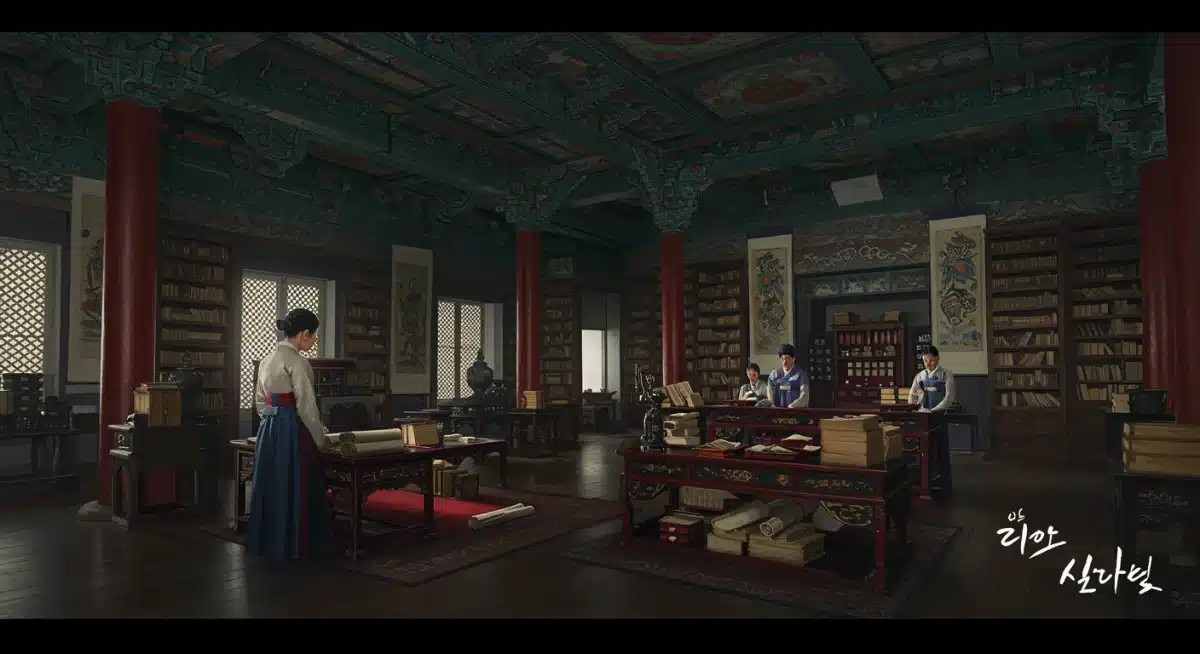
"Red Sleeve Accuracy" Verdict: Moderate to High. The existence of their deep love is historically accurate, but the specific progression and emotional beats of their relationship are dramatized. This creative license is essential for a compelling narrative and is handled respectfully, enhancing rather than distorting the historical reality of their bond. The core of "Red Sleeve Accuracy" in this aspect lies in preserving the essence of their unique relationship.
4. The Political Landscape and Court Intrigues
Historical Record: The Joseon Dynasty, particularly during Jeongjo’s reign, was rife with political factionalism. The Noron and Soron factions, along with the influence of the Queen Dowager (Grand Royal Queen Dowager Jeongsun in the drama), played significant roles in court politics. Jeongjo faced constant threats and opposition due to his lineage and his reformist agenda. The death of Crown Prince Sado was a highly contentious event that continued to cast a long shadow over Jeongjo’s rule.
Drama’s Portrayal: The drama accurately portrays the intense political climate and the constant danger surrounding Yi San. The opposition from conservative factions, particularly those loyal to the Queen Dowager, is a persistent threat throughout the series. The drama effectively illustrates how these political struggles impacted not only the king but also those around him, especially Deok-im and other court ladies. While specific conspiracies and their resolutions might be dramatized for heightened tension, the overall representation of the political machinations and their historical context is largely accurate.
"Red Sleeve Accuracy" Verdict: High. The drama captures the historical political climate and the significant challenges faced by King Jeongjo. The factionalism and power struggles are depicted in a way that is consistent with historical records, even if specific events are embellished for dramatic effect. This strong adherence to the historical political backdrop contributes significantly to the overall "Red Sleeve Accuracy" of the series.
5. The Role of Court Ladies and Palace Life
Historical Record: Court ladies (gungnyeo) in Joseon played various roles, from serving the royal family to managing palace affairs. Their lives were constrained by strict rules and hierarchies. While some court ladies could achieve significant influence, most lived lives of service with limited personal freedom. Their education, particularly in literacy, was common, as they were often tasked with transcribing and managing documents.
Drama’s Portrayal: "The Red Sleeve" offers a detailed and largely accurate depiction of palace life and the roles of court ladies. It showcases their daily routines, their relationships, and the subtle power dynamics within their community. Deok-im’s role as a transcriber, her literary skills, and her close bonds with other court ladies are all reflective of historical realities. The drama also highlights the limited choices available to court ladies, emphasizing their lack of personal agency and the constant threat of being caught in political crossfires. The portrayal of their sisterhood and resilience in a restrictive environment is particularly strong.
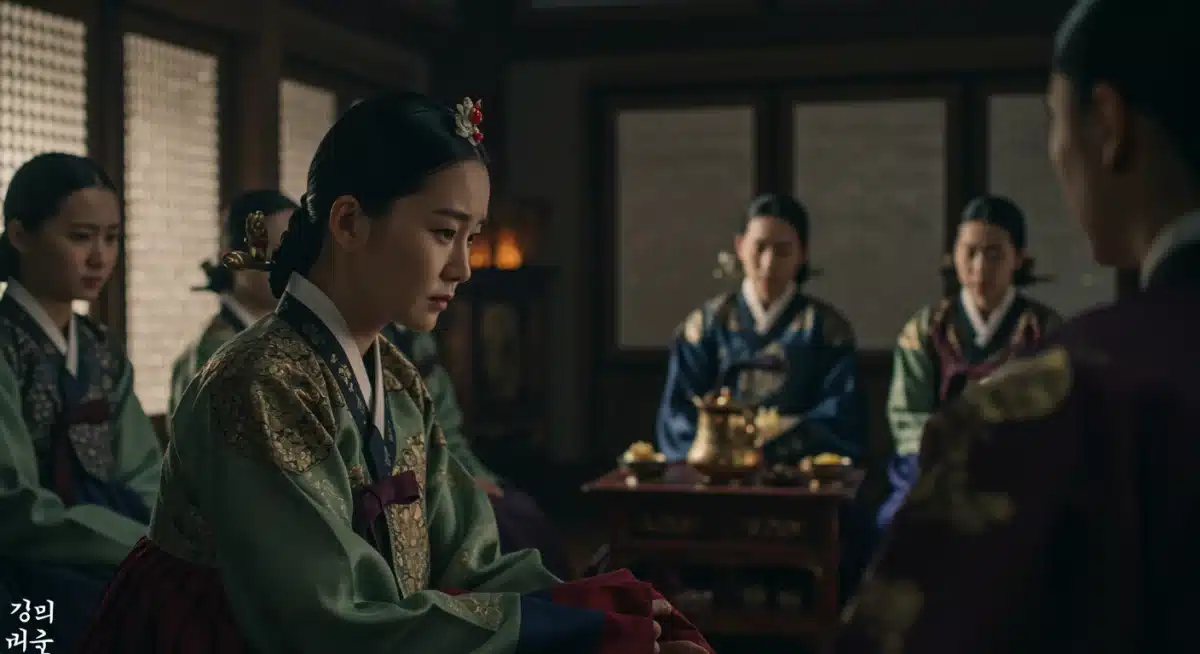
"Red Sleeve Accuracy" Verdict: High. The drama provides an insightful and largely accurate glimpse into the lives of Joseon court ladies, their societal roles, and the intricacies of palace life. This attention to detail enhances the historical authenticity of the series, reaffirming its commitment to "Red Sleeve Accuracy" in cultural portrayal.
6. The Tragic Endings: Crown Prince Munhyo and Seong Deok-im’s Deaths
Historical Record: The tragic deaths of Crown Prince Munhyo (Jeongjo’s first son with Uibin Seong) and Seong Deok-im within a short period are historically accurate and deeply sorrowful events in King Jeongjo’s life. The Crown Prince died in 1786, and Seong Deok-im followed a few months later in the same year. Their deaths were a profound loss for Jeongjo.
Drama’s Portrayal: The drama faithfully portrays these devastating events. The grief of Yi San and Deok-im over the loss of their son, and subsequently Yi San’s profound sorrow over Deok-im’s death, are depicted with immense emotional weight. While the exact circumstances of their illnesses and deaths are not fully known historically, the drama provides a plausible and emotionally impactful narrative around these tragedies. It emphasizes the profound impact these losses had on King Jeongjo, reinforcing his image as a man capable of deep love and profound sorrow.
"Red Sleeve Accuracy" Verdict: High. The factual occurrences of these deaths and their emotional impact on King Jeongjo are accurately represented. The drama uses these historical tragedies to bring its narrative to a powerful and poignant conclusion, aligning perfectly with the overall "Red Sleeve Accuracy" of the series regarding major historical milestones.
The Art of Balancing History and Narrative: Why "The Red Sleeve" Shines
The success of "The Red Sleeve" in 2026, and its continued relevance, stems from its masterful ability to balance historical accuracy with narrative freedom. The creative team understood that while historical facts provide the skeleton, it’s the storytelling that gives it flesh and blood. They meticulously researched the Joseon era, ensuring that the visual elements, court customs, and major historical events were largely authentic. This commitment to historical detail provided a believable and immersive backdrop for the drama.
However, where historical records were sparse, particularly regarding the personal thoughts and private conversations of its protagonists, the drama employed narrative freedom. This allowed for the development of complex, relatable characters whose emotional journeys captivated viewers. The internal monologues, the unspoken desires, and the poignant interactions between Yi San and Deok-im are products of creative interpretation, yet they are deeply rooted in the known historical affection between the two. This intelligent use of narrative freedom ensures that the story remains engaging and emotionally resonant, rather than a dry historical recount.
Moreover, the drama’s focus on the perspective of a court lady, Seong Deok-im, provided a fresh and compelling lens through which to view the Joseon court. While King Jeongjo’s story is well-known, Deok-im’s perspective, her struggles for autonomy, and her unique relationship with the king offered a more intimate and often overlooked aspect of history. This choice of narrative focus, while requiring some creative filling of historical gaps, allowed for a deeper exploration of themes pertinent to a modern audience, such as female agency and the constraints of societal roles.
The Impact of "The Red Sleeve" on Historical K-Drama Landscape
In 2026, "The Red Sleeve" stands as a benchmark for historical K-dramas. Its success has undoubtedly influenced subsequent sageuks, encouraging a balance between meticulous historical research and compelling storytelling. It demonstrated that audiences appreciate nuanced historical portrayals that also offer emotional depth and engaging character development. The drama’s ability to spark widespread interest in Joseon history, prompting viewers to research the real King Jeongjo and Royal Noble Consort Uibin Seong, is a testament to its educational impact.
The conversations around "Red Sleeve Accuracy" have also contributed to a broader appreciation for the complexities of adapting history for the screen. It highlights that historical dramas are not merely reenactments but interpretations, designed to evoke empathy and understanding of past lives. The drama’s lasting legacy is not just its high ratings or critical acclaim, but its ability to connect a 21st-century audience with the human stories embedded within the annals of Korean history, proving that even centuries-old tales can feel incredibly relevant and deeply moving.
Conclusion: The Enduring Legacy of "The Red Sleeve" and its Historical Resonance
As we conclude our 2026 examination, it’s clear that "The Red Sleeve" achieved its monumental success by striking an impressive balance. It delivered a high degree of "Red Sleeve Accuracy" in its depiction of the major historical figures, political climate, and court life of the Joseon Dynasty. The core identities of King Jeongjo and Seong Deok-im, their significant life events, and the profound affection between them are all rooted in historical fact.
Where the drama exercised narrative freedom, it did so judiciously, filling in the emotional and interpersonal gaps that historical records often leave blank. This creative embellishment was not a distortion of history but rather an enhancement, allowing viewers to connect deeply with the characters’ struggles, joys, and heartbreaks. The result is a drama that is both historically informative and emotionally captivating, fulfilling the dual mandate of a successful sageuk.
The enduring popularity of "The Red Sleeve" in 2026 underscores the power of well-crafted historical fiction. It serves as a reminder that history is not just a collection of dates and names, but a tapestry of human experiences, emotions, and decisions. By bringing these stories to life with sensitivity and artistic vision, "The Red Sleeve" has cemented its place as a classic, offering a profound look into a significant period of Korean history through the unforgettable love story of a king and a court lady. Its careful navigation of "Red Sleeve Accuracy" versus dramatic license is a blueprint for future historical dramas, ensuring that the past continues to inspire and entertain for years to come.