The Craft of K-Drama Cinematography: A Deep Dive into 3 Iconic Scenes from "Goblin" and Their Lasting Influence on 2026 Production Trends
K-Dramas have transcended their regional origins to become a global phenomenon, captivating audiences with compelling narratives, stellar acting, and, crucially, breathtaking visuals. At the forefront of this visual revolution stands "Goblin" (도깨비), a series that redefined K-Drama cinematography trends with its innovative techniques and artistic ambition. Released in 2016, "Goblin" wasn’t just a fantasy romance; it was a masterclass in visual storytelling, employing cinematic language to elevate its mythical tale of a cursed immortal and his human bride. Its influence is not confined to the past; rather, its pioneering approach continues to shape K-Drama cinematography trends, impacting production aesthetics and narrative delivery even as we look towards 2026.
This article will embark on a detailed exploration of three iconic scenes from "Goblin," dissecting the cinematographic choices that made them unforgettable. We will analyze how these specific moments exemplify the broader K-Drama cinematography trends that "Goblin" either initiated or significantly amplified. Furthermore, we will forecast how these enduring visual philosophies are poised to influence K-Drama production trends in 2026, offering insights into the future of Korean television aesthetics.
The Buckwheat Field: Ethereal Beauty and Emotional Depth
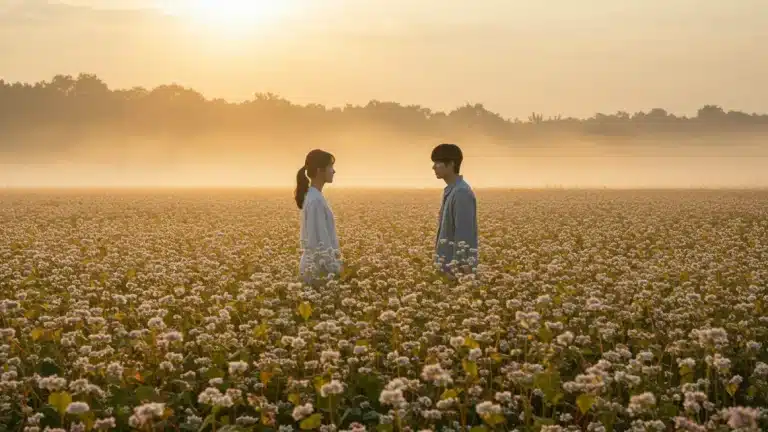
One of the most enduring images from "Goblin" is undoubtedly the vast, golden buckwheat field. This location serves as a recurring motif, a space where pivotal emotional moments unfold, and its visual treatment is a prime example of the show’s groundbreaking K-Drama cinematography trends. The scene where Kim Shin (Gong Yoo) first confesses his feelings to Ji Eun-tak (Kim Go-eun) amidst the blooming buckwheat is a masterclass in using setting, lighting, and camera work to amplify emotional resonance.
Cinematographic Breakdown:
- Golden Hour Lighting: The scene is almost exclusively shot during the "golden hour" – the period shortly after sunrise or before sunset. This natural lighting bathes the entire landscape in a soft, warm, diffused glow, creating an ethereal and dreamlike quality. The warm hues evoke feelings of romance, nostalgia, and a sense of timelessness, perfectly aligning with the immortal nature of the Goblin and the budding love story. This deliberate use of natural light for emotional impact has become a staple in modern K-Drama cinematography trends, moving away from overly artificial studio lighting.
- Wide Shots and Composition: The cinematography frequently employs wide shots to showcase the expansive beauty of the buckwheat field. These shots emphasize the characters’ smallness within the grandeur of their surroundings, suggesting their fate is part of a larger, mystical tapestry. The composition often places the characters slightly off-center, adhering to the rule of thirds, which creates visual interest and a sense of balance. The swaying buckwheat flowers in the foreground and background add depth and a dynamic, living element to the frame, preventing the wide shots from feeling static.
- Shallow Depth of Field: When focusing on the characters, the cinematographers masterfully utilize a shallow depth of field. This technique blurs the background, making the characters pop and drawing the viewer’s eye directly to their expressions and interactions. This selective focus is crucial for highlighting the intimacy of their conversation and the weight of their emotions, a technique now widely adopted in K-Drama cinematography trends to create emotional intensity.
- Slow Motion and Tracking Shots: The scene incorporates subtle slow-motion effects, particularly during key emotional beats or when characters are walking through the field. This amplifies the sense of momentousness and allows the audience to savor the visual and emotional details. Tracking shots, following the characters as they move, immerse the viewer in their journey through the beautiful landscape, creating a fluid and engaging visual experience.
Influence on 2026 Production Trends:
The Buckwheat Field’s influence on K-Drama cinematography trends for 2026 is undeniable. We can expect to see an even greater emphasis on:
- Location as Character: Future dramas will continue to seek out and utilize unique, visually striking natural landscapes as integral parts of their storytelling, treating locations not just as backdrops but as entities that contribute to the narrative’s mood and meaning.
- Mastery of Natural Light: The sophisticated use of natural light, especially golden hour and magic hour, will remain a cornerstone of high-quality K-Drama cinematography trends. Productions will invest more in optimizing shooting schedules to capture these fleeting but impactful lighting conditions.
- Emotional Framing: The deliberate use of wide shots for grandeur and shallow depth of field for intimacy will be refined. Cinematographers will continue to experiment with various framing techniques to directly manipulate audience emotions and focus.
- Subtle Visual Effects: The ethereal quality achieved through subtle fog, lens flares, and color grading in "Goblin" will evolve. 2026 productions will likely integrate more advanced, yet still subtle, visual effects to enhance natural beauty without making it appear artificial, further pushing K-Drama cinematography trends.
The Red Umbrella in the Rain: Symbolism and Visual Poetry
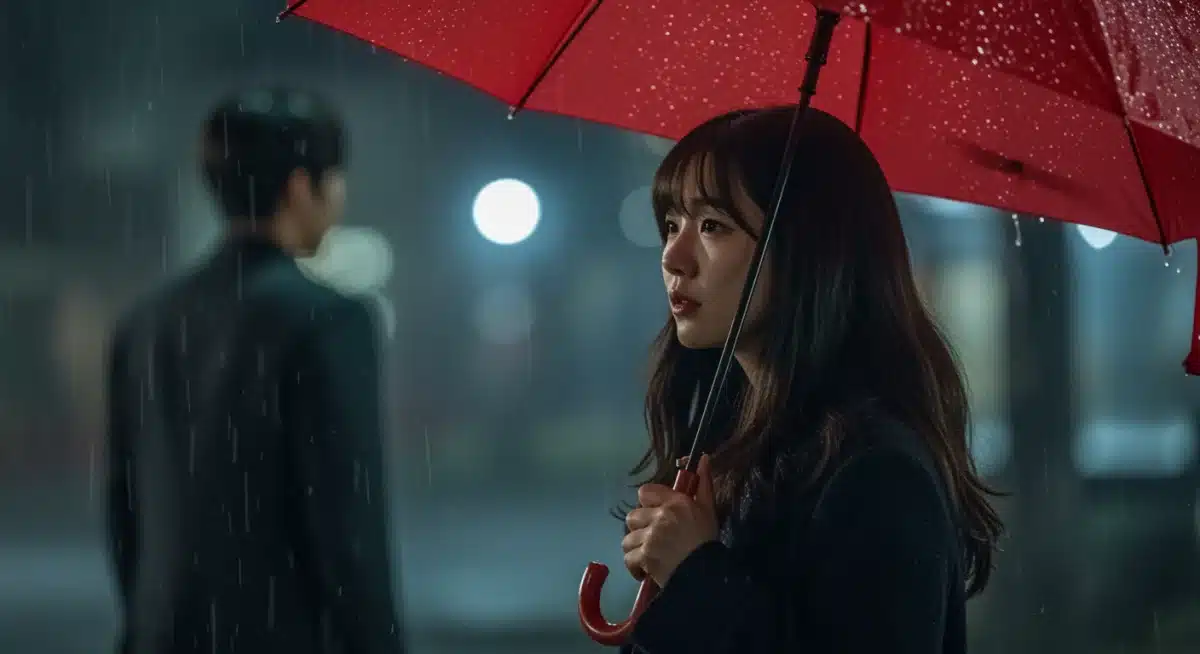
Another iconic sequence that exemplifies "Goblin"’s profound impact on K-Drama cinematography trends is the recurring motif of the red umbrella in the rain. Specifically, the scene where Kim Shin shields Ji Eun-tak from the rain with a red umbrella, often marking a significant turning point in their relationship or a moment of destined encounter, is etched into the collective memory of viewers. This visual is not merely functional; it is deeply symbolic and cinematically rich.
Cinematographic Breakdown:
- Color as a Narrative Tool: The vibrant red of the umbrella stands out dramatically against the muted, often melancholic tones of a rainy day. This stark contrast immediately draws the eye, making the umbrella a focal point and a powerful visual metaphor. Red, in Korean culture, can symbolize good fortune or ward off evil, adding another layer of meaning to Kim Shin’s protective gesture. This deliberate and impactful use of color to convey emotion and symbolism has become a hallmark of progressive K-Drama cinematography trends.
- Rain as an Atmospheric Element: Rain is not just weather in "Goblin"; it’s a character. The cinematography embraces the rain, using it to create atmosphere, convey sadness, mark significant encounters, and even highlight the characters’ internal states. The way raindrops glisten on surfaces and create ripples in puddles is often captured with exquisite detail, adding to the visual poetry.
- Close-ups and Medium Shots: The camera often focuses on close-ups of the characters’ faces under the umbrella, capturing their expressions, the subtle shifts in their gazes, and the intimacy of the shared space. Medium shots allow viewers to see the interaction between the characters and the umbrella, emphasizing the protective gesture. The tightness of these shots under the umbrella creates a sense of a private world amidst the bustling city or desolate street.
- Reflections and Abstract Compositions: The wet surfaces of rainy streets provide opportunities for stunning reflections. Cinematographers often exploit these reflections to create aesthetically pleasing, almost abstract compositions, adding visual depth and intrigue. The shimmering lights and blurred forms in puddles contribute to the dreamlike quality that "Goblin" so effectively cultivates, pushing the boundaries of K-Drama cinematography trends.
Influence on 2026 Production Trends:
The "Red Umbrella" scene’s lasting impact on K-Drama cinematography trends will manifest in 2026 through:
- Enhanced Color Theory in Storytelling: Directors and cinematographers will continue to leverage color more deliberately and symbolically, moving beyond mere aesthetics to using specific hues as narrative devices, enhancing character traits, or foreshadowing events.
- Atmospheric Immersion: Environmental elements like rain, snow, or fog will be integrated even more seamlessly and meaningfully into the visual narrative, serving to deepen emotional impact and create immersive worlds.
- Intimate Framing for Emotional Resonance: The art of using close-ups and medium shots to convey deep emotional connections and create a sense of intimacy will be further refined, allowing audiences to feel closer to the characters’ internal experiences.
- Creative Use of Reflections and Textures: Expect to see more innovative use of reflections, shadows, and various textures (wet surfaces, glass, natural elements) to add visual complexity and artistic flair to outdoor and indoor scenes, a clear evolution in K-Drama cinematography trends.
The Grim Reaper and Sunny’s First Encounter on the Bridge: Dynamic Blocking and Urban Grandeur
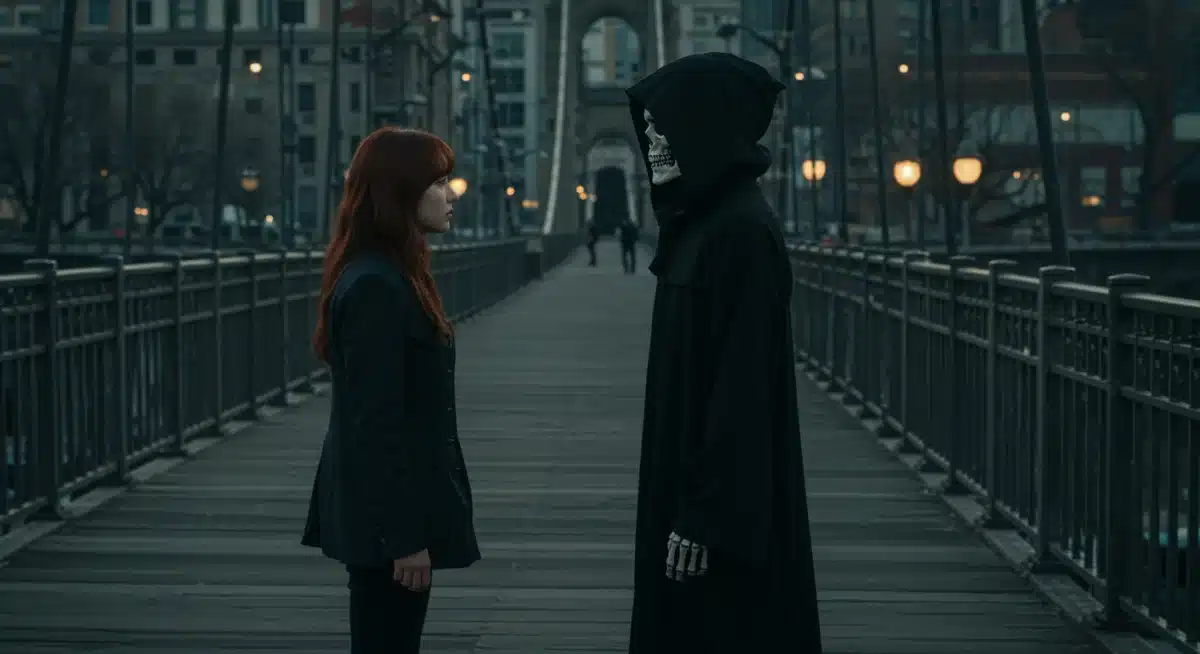
The serendipitous, yet fated, first encounter between the Grim Reaper (Lee Dong-wook) and Sunny (Yoo In-na) on a busy pedestrian bridge is another brilliant example of "Goblin"’s innovative K-Drama cinematography trends. This scene, devoid of supernatural powers initially, relies purely on dynamic blocking, visual composition, and the energy of the urban environment to convey immediate chemistry and destiny.
Cinematographic Breakdown:
- Dynamic Blocking and Choreography: The scene is meticulously choreographed, with the two characters moving through a crowd of people. The camera often tracks their individual movements before they intersect, building anticipation. The way they navigate the human traffic, almost as if drawn to each other, creates a sense of magnetic pull. This intelligent use of blocking to convey narrative and character dynamics is a sophisticated aspect of K-Drama cinematography trends.
- Urban Landscape as a Character: The bridge, with its bustling activity and city lights in the background, becomes more than just a setting. It’s a vibrant, living entity that contextualizes their encounter. The cinematography skillfully captures the energy of the city, using it to contrast with the almost frozen-in-time moment of their meeting. High-angle shots can sometimes be employed to show the scale of the city and the smallness of the individuals, yet also their pivotal connection.
- Eye-Level and Tracking Shots: The camera often stays at eye-level, immersing the viewer directly into the characters’ perspective as they move through the crowd. Tracking shots follow their individual paths, creating a sense of journey and destiny. When they finally meet, the camera often settles on a two-shot, capturing their immediate, intense connection.
- Use of Slow Motion for Impact: Similar to other key moments in "Goblin," the actual moment their eyes meet is often punctuated with a subtle use of slow motion. This technique elongates the moment, emphasizing its significance and allowing the audience to fully absorb the intensity of their first glance, a powerful tool in K-Drama cinematography trends.
- Subtle Foreshadowing Through Gaze: The cinematography here is masterful in using subtle cues. The lingering shots on their faces, the way their eyes lock, and the slight tilt of the head, all contribute to an immediate sense of recognition and fated connection, even before any dialogue is exchanged.
Influence on 2026 Production Trends:
The Grim Reaper and Sunny’s bridge encounter will continue to shape K-Drama cinematography trends for 2026 in several ways:
- Sophisticated Blocking and Movement: Expect further innovation in how character movement and blocking are used to convey unspoken narratives, emotional states, and relationships within complex environments. This will extend beyond simple entrances and exits to choreographed interactions that are visually meaningful.
- Integration of Urban Environments: Cityscapes will be utilized with even greater creativity, moving beyond generic backdrops to become dynamic elements that contribute to the story’s mood and character interactions. Night scenes, especially, will benefit from "Goblin"’s nuanced approach to urban lighting.
- Refined "Meet-Cute" Cinematography: The art of filming initial character encounters will evolve, with more emphasis on visual cues, subtle shifts in perspective, and atmospheric elements to immediately establish chemistry and narrative direction.
- Strategic Use of Slow Motion: Slow motion will continue to be a tool for emphasizing pivotal moments, but its application will become even more precise and less gratuitous, used only when it genuinely amplifies emotional or narrative weight, following the refined K-Drama cinematography trends set by "Goblin."
The Enduring Legacy of "Goblin" in K-Drama Cinematography
"Goblin" did not just tell a story; it painted one with broad, confident strokes and intricate details. Its approach to cinematography was revolutionary, blending technical prowess with artistic vision to create a visually rich and emotionally resonant experience. The three scenes analyzed above – the ethereal buckwheat field, the symbolic red umbrella, and the dynamic bridge encounter – are merely glimpses into a drama that consistently pushed the boundaries of visual storytelling in Korean television.
The lasting influence of "Goblin" on K-Drama cinematography trends is multifaceted:
- Elevation of Production Value: "Goblin" set a new benchmark for high production value, demonstrating that K-Dramas could achieve cinematic quality comparable to feature films. This has led to increased investment in cinematography, equipment, and post-production across the industry.
- Emphasis on Visual Storytelling: The drama proved that visuals could carry as much narrative weight as dialogue. Future K-Dramas are increasingly relying on sophisticated camera work, lighting, and composition to convey emotions, themes, and plot points, rather than just serving as mere illustrations.
- Global Appeal through Aesthetics: The stunning visuals of "Goblin" played a significant role in its international success. Its universal aesthetic appeal transcended language barriers, making it a powerful ambassador for K-Drama globally. This has encouraged other productions to prioritize visual quality for a wider audience.
- Innovation in Post-Production: The seamless integration of visual effects, advanced color grading, and sound design in "Goblin" inspired further innovation in post-production techniques within the K-Drama industry. This has allowed for the creation of more fantastical and visually immersive worlds.
Looking Ahead to 2026: The Future of K-Drama Cinematography
As we approach 2026, the K-Drama cinematography trends initiated and solidified by "Goblin" will continue to evolve. We can anticipate:
- More Experimental Camera Techniques: Expect to see more avant-garde camera movements, drone shots, and POV (point-of-view) shots that immerse the audience even deeper into the characters’ experiences and the narrative world.
- Advanced Use of Virtual Production and AI: While "Goblin" utilized traditional methods, 2026 will likely see an increased integration of virtual production techniques (like LED walls) and AI-assisted cinematography to create even more elaborate and fantastical settings, blurring the lines between reality and imagination.
- Hyper-Realistic and Stylized Visuals: The balance between hyper-realism (for grounded narratives) and stylized, almost painterly visuals (for fantasy and historical dramas) will be refined, allowing for a broader spectrum of aesthetic choices tailored to specific genres.
- Sustainable Production Practices: With increased environmental awareness, future K-Drama cinematography trends might also lean towards more sustainable production practices, optimizing location shoots and energy consumption while maintaining high visual standards.
- Interactive Cinematography: As technology advances, there might even be forays into more interactive forms of cinematography, where audience choices could subtly influence visual pathways or character perspectives, though this is a more distant prediction.
In conclusion, "Goblin" was much more than a popular K-Drama; it was a watershed moment for K-Drama cinematography trends. Its masterful use of lighting, composition, color, and movement in scenes like the buckwheat field, the red umbrella, and the bridge encounter set new standards for visual storytelling. Its legacy is not just in its iconic moments, but in the way it fundamentally reshaped expectations and possibilities for K-Drama production. As we look to 2026, the echoes of "Goblin"’s visual poetry will undoubtedly continue to resonate, inspiring new generations of filmmakers to push the boundaries of what is possible, creating even more breathtaking and emotionally engaging cinematic experiences for audiences worldwide.