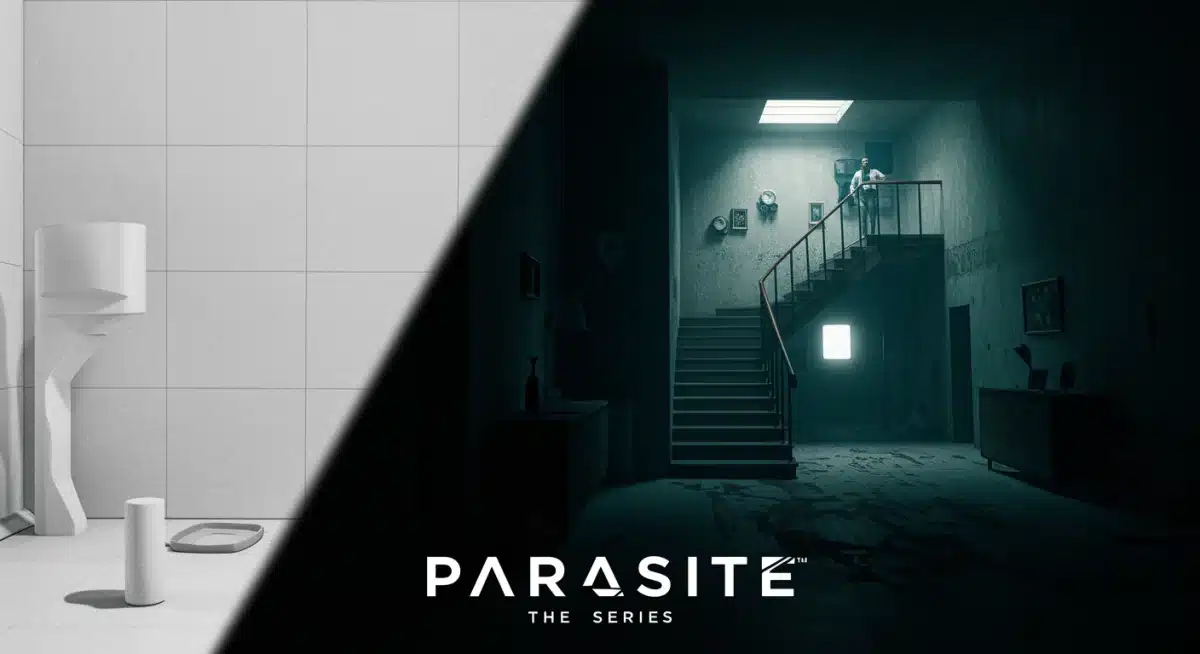
The upcoming “Parasite: The Series” (2026) is set to expand upon Bong Joon-ho’s cinematic masterpiece, translating its potent social commentary and intricate plot into a multi-episode narrative with anticipated key differences from the original film.
The announcement of Parasite The Series (2026) has ignited immense anticipation among fans and critics alike, eager to see how Bong Joon-ho’s Academy Award-winning film will be reimagined for a multi-episode format. This expansion promises a deeper dive into the film’s intricate themes and characters, offering new perspectives on its powerful social commentary.
The Expanded Narrative Canvas
One of the most significant anticipated changes in “Parasite: The Series” is the expanded narrative canvas that television offers. The original film, while masterfully condensed, left audiences craving more details about the characters’ backstories and the intricacies of their lives before and after the central conflict. A series format allows for a much broader exploration, giving individual characters more screen time and allowing their motivations to be fleshed out in greater detail.
This extended runtime isn’t just about adding scenes; it’s about enriching the world of “Parasite.” We can expect to see how the Kim family perfected their scams over time, the subtle ways the Park family’s wealth insulated them from reality, and perhaps even glimpses into the lives of other characters on the fringes of their intertwined existence. The series could delve into the societal structures that create such stark class divisions, moving beyond the specific families to a more generalized commentary on South Korean society.
Deeper Character Arcs
- Kim Family’s Genesis: The series can show the Kims’ struggles and their journey into their elaborate deception, providing a more gradual build-up to their infiltration.
- Park Family’s Unaware Privilege: We might see more of the Parks’ daily routines and their blissful ignorance, making their eventual downfall even more impactful.
- Supporting Characters’ Roles: Characters like the original housekeeper and her husband could receive more substantial backstories and development, adding layers to their desperate fight for survival.
The potential for deeper character arcs is immense. The film provided snapshots of their lives, but the series can paint full portraits, allowing viewers to connect with their hopes, fears, and moral ambiguities on a more profound level. This expanded narrative scope is a primary difference that truly sets the series apart from its cinematic predecessor.
Exploring Untouched Backstories and Subplots
The film “Parasite” hinted at a rich tapestry of events and personal histories that were only glimpsed. The series offers an unparalleled opportunity to explore these untouched backstories and subplots, adding layers of complexity to the characters and their circumstances. This could involve delving into the past of the original housekeeper, Moon-gwang, and her husband Geun-sae, providing a more detailed account of their years spent secretly living in the bunker.
Furthermore, the series could introduce entirely new characters or expand on minor ones from the film, weaving in additional storylines that comment on the broader socio-economic landscape. Imagine a subplot focusing on other families struggling with similar class disparities, or perhaps a more detailed look at the inner workings of the employment agencies that connect the rich and poor. These additions would not only enrich the narrative but also deepen the film’s original thematic concerns.
The Kim Family’s Past Ventures
Before their audacious plan to infiltrate the Park household, the Kim family undoubtedly engaged in other survival strategies. The series could dedicate episodes to these prior attempts, showcasing their resourcefulness, their failures, and the incremental development of their deceptive skills. This narrative expansion would provide valuable context to their actions in the main storyline.
- Failed Business Ventures: Detailed episodes on the Kims’ previous failed businesses, highlighting their cycle of poverty.
- Early Scams: Showcasing smaller, less ambitious deceptions that built their confidence and expertise.
- Family Dynamics Under Pressure: How their family unit coped with constant financial strain and developed their unique collaborative dynamic.
By exploring these previously untold stories, “Parasite: The Series” can create a more comprehensive and empathetic understanding of its characters, demonstrating that their actions are not merely opportunistic but born out of profound desperation and systemic inequality. This nuanced approach will be a crucial difference from the film’s more immediate narrative.
Thematic Expansion and Societal Critique
While the film “Parasite” delivered a sharp critique of class disparity and the parasitic nature of both the rich and the poor, the series format allows for a far more expansive and intricate exploration of these themes. A multi-episode structure can delve into the systemic issues that perpetuate inequality, moving beyond the individual actions of the characters to examine the broader societal forces at play. This means the show can address various facets of wealth, poverty, and social mobility in South Korea and globally.
The series could explore the concept of ‘smell’—a subtle yet potent symbol of class distinction in the film—with greater nuance. What other sensory markers differentiate the classes? How do these distinctions become internalized and impact self-perception? By breaking down these elements, the series can offer a more sustained and multifaceted commentary on the nature of privilege and disadvantage. It can also examine the political and economic policies that contribute to the widening gap between social strata.
Deeper Dive into Systemic Issues
- Economic Policies: An examination of the policies that create and maintain the wealth gap, perhaps through news segments or character discussions.
- Social Mobility Barriers: Illustrating the concrete obstacles individuals face when trying to ascend the social ladder, beyond just the Kims’ personal struggles.
- Global Class Dynamics: Potentially broadening the scope to touch upon how South Korea’s class issues fit into a global context, adding another layer to the critique.
The series has the opportunity to move beyond a singular family’s narrative to present a more comprehensive and systemic critique of modern capitalist societies, making its thematic resonance even stronger and more enduring. This expanded thematic depth represents a significant divergence from the film’s tightly focused narrative.
Visual Storytelling and Pacing Adaptation
Bong Joon-ho’s directorial style in the film “Parasite” is characterized by meticulous framing, precise pacing, and a brilliant use of visual metaphors. Translating this distinct cinematic language to a multi-episode series presents a fascinating challenge and a key area of difference. While the core visual aesthetic and thematic motifs will likely remain, the rhythm and structure of storytelling will naturally adapt to the television format.
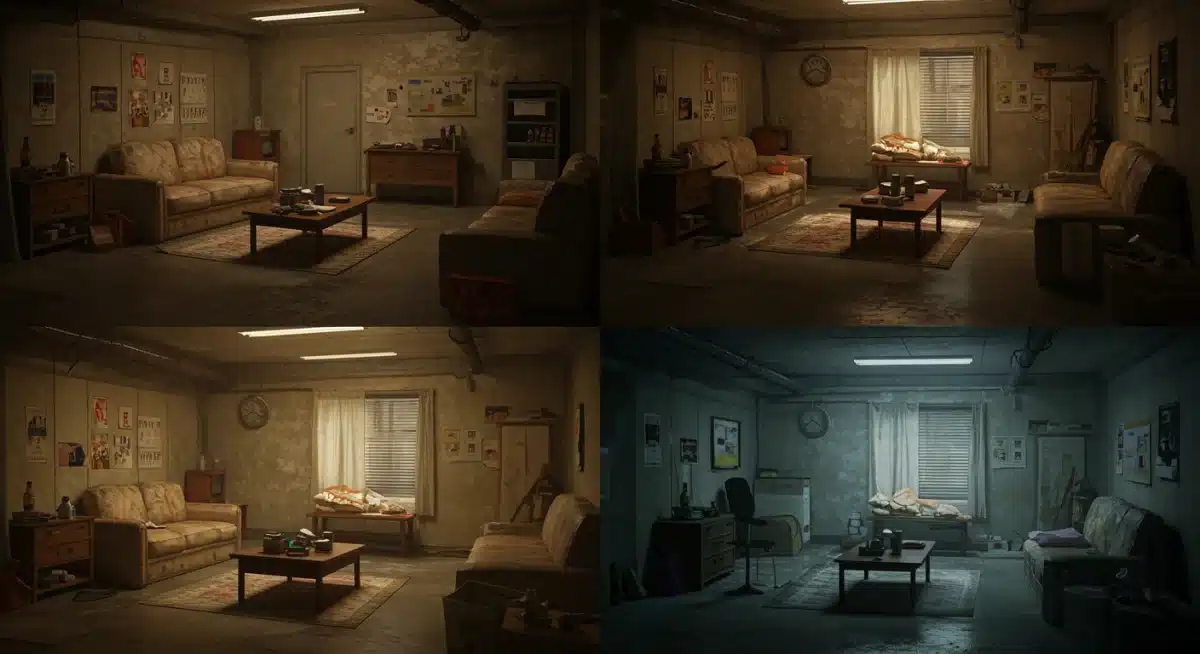
A series allows for more deliberate pacing, building tension and character development over several hours rather than two. This could mean longer, more atmospheric scenes, greater emphasis on environmental details, and a gradual unfolding of mysteries. The visual storytelling might shift from the film’s intense, almost claustrophobic precision to a more expansive, immersive style, allowing viewers to spend more time in each of the distinct worlds—the Kims’ semi-basement and the Parks’ luxurious home. The iconic staircase, for example, could be explored from multiple new angles and perspectives.
Episodic Structure and Narrative Arcs
Instead of a single, continuous narrative peak, the series will likely feature multiple smaller narrative arcs per episode, culminating in a larger season-long storyline. This episodic structure demands a different approach to visual hooks and cliffhangers, ensuring viewer engagement from one installment to the next.
- Mid-episode Climaxes: Each episode could have its own mini-climax, keeping the audience invested.
- Expanded Symbolism: More time to introduce and develop visual symbols and recurring motifs beyond what was possible in the film.
- Setting as Character: The different homes and environments can become even more pronounced characters, with their own visual language and secrets.
The adaptation of visual storytelling and pacing will be crucial in maintaining the essence of Bong Joon-ho’s vision while embracing the unique opportunities of the series format, offering a distinct viewing experience from the original film.
The Role of Director Bong Joon-ho
The involvement of Bong Joon-ho himself in “Parasite: The Series” is a critical factor and a significant indicator of its potential direction. While he may not be directing every episode, his role as executive producer and co-creator ensures that the adaptation remains true to the spirit and themes of his original work. This level of creative oversight is paramount for fans who cherish the film’s unique voice and intricate social commentary.
Bong Joon-ho has expressed that the series will explore ideas he couldn’t fully develop in the two-hour film, suggesting that his vision extends far beyond a simple retelling. His guidance will likely influence everything from script development and casting to the overall aesthetic and thematic focus. This direct involvement distinguishes “Parasite: The Series” from many other film-to-TV adaptations, which often lose the original creator’s unique fingerprint. His past works, such as “Snowpiercer” (both film and series), demonstrate his adaptability across formats while maintaining his distinctive narrative voice.
Creative Control and Vision Preservation
Bong’s presence guarantees a certain level of artistic integrity, ensuring that the series isn’t merely a commercial cash-in but a genuine expansion of his narrative universe. His commitment to social satire and detailed character studies will undoubtedly be preserved and amplified.
- Screenplay Influence: Direct input on the scripts to maintain the satirical tone and plot complexity.
- Casting Decisions: Ensuring actors are chosen who can embody the nuanced characters and their class struggles.
- Overall Aesthetic: Guiding the visual and auditory style to align with the original film’s distinct atmosphere.
The direct involvement of Bong Joon-ho is perhaps the most reassuring difference for fans, promising an adaptation that is not only faithful but also creatively enriched by its original visionary. This hands-on approach positions the series as a true continuation of his artistic statement.
Potential for New Endings and Interpretations
The ending of “Parasite” the film left a profound and unsettling impact, a poignant commentary on the cyclical nature of poverty and the elusive dream of upward mobility. “Parasite: The Series” has the distinct opportunity to explore alternative narrative conclusions or expand upon the film’s ending, offering new interpretations of the characters’ fates and the broader societal implications. While it’s unlikely to completely abandon the original’s thematic core, a multi-episode format allows for a more prolonged exploration of consequences and potential resolutions.
Could the series depict a different path for the remaining Kim family members? Could there be a glimmer of hope, or an even darker, more cynical outcome? The extended narrative arc could allow for a more gradual descent into despair or, conversely, a more complex journey toward understanding and perhaps even systemic change. The ambiguity of the film’s ending could be either clarified or further complicated, depending on the creative direction taken. This is a crucial difference that could redefine the entire “Parasite” universe.
Exploring ‘What If’ Scenarios
- Ki-woo’s Future: A detailed look into Ki-woo’s efforts to earn money and buy the house, potentially showing the futility or unexpected success of his plan.
- Ki-jung’s Legacy: How the family grapples with the loss of Ki-jung and its impact on their dynamic.
- Societal Reaction: The series could explore the public and media reaction to the events at the Park house, showcasing broader societal responses to such class-driven tragedies.
The potential for new endings and interpretations is one of the most exciting aspects of “Parasite: The Series.” It offers a chance to revisit a beloved story with fresh eyes, allowing for narratives that challenge or reinforce the original’s powerful conclusion, providing a truly differentiated experience from the film.
| Key Difference | Description |
|---|---|
| Expanded Narrative | More time for backstories, subplots, and character development beyond the film’s scope. |
| Deeper Thematic Dive | Systemic critique of class, wealth, and societal structures explored in greater detail. |
| Pacing & Visuals | Adaptation of cinematic language to episodic structure, allowing for deliberate build-up. |
| Bong Joon-ho’s Role | Direct involvement as executive producer ensures creative integrity and expands original vision. |
Frequently Asked Questions About “Parasite: The Series”
No, Bong Joon-ho has indicated that the series will not be a direct remake but rather an expansion, exploring ideas and subplots he couldn’t fully develop in the film. It aims to delve deeper into the universe and characters, offering a fresh perspective while maintaining the original’s essence.
“Parasite: The Series” is set to be released on HBO. This platform is known for its high-quality, prestige dramas, making it a fitting home for an adaptation of such a critically acclaimed work. Viewers can anticipate a premium production value.
Bong Joon-ho is heavily involved as an executive producer, ensuring that the series remains faithful to his original vision and thematic concerns. His creative oversight is crucial for translating the film’s unique voice and intricate storytelling to a multi-episode format, distinguishing it from other adaptations.
Details regarding the cast for “Parasite: The Series” are still emerging. While it’s common for TV adaptations to feature new actors, the possibility of cameos or different interpretations of the characters exists. The focus is on finding a cast that can effectively portray the complex roles in an expanded narrative.
The series is expected to offer a more profound and systemic critique of class disparity, extending beyond the individual families to examine broader societal structures and economic policies. It will delve deeper into the ‘smell’ metaphor and other subtle class distinctions, enriching the original’s powerful social commentary.
Conclusion
The journey from the cinematic masterpiece “Parasite” to its upcoming series adaptation in 2026 promises to be a fascinating exploration of narrative expansion and thematic depth. By leveraging the multi-episode format, “Parasite: The Series” is poised to offer a more thorough examination of its beloved characters, intricate backstories, and profound social commentary. With Bong Joon-ho’s direct involvement, fans can anticipate a faithful yet fresh interpretation that not only honors the original film but also enriches its universe, providing a compelling and relevant viewing experience for a global audience eager to delve deeper into the complexities of class and human nature. The five key differences outlined herein highlight the transformative potential of this highly anticipated adaptation, cementing its place as a must-watch for K-drama enthusiasts and discerning viewers alike.