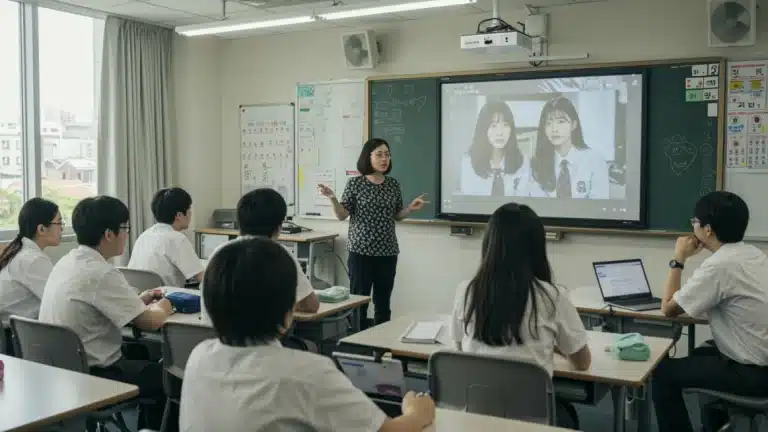
Navigating the New Wave: Practical Solutions for U.S. Educators Integrating K-Drama Cultural Studies by Fall 2026
The Hallyu wave, or the Korean Wave, has swept across the globe, captivating audiences with its vibrant music, compelling cinema, and, perhaps most notably, its engaging television dramas. K-Dramas, with their intricate storylines, rich character development, and stunning cinematography, have transcended linguistic and cultural barriers, becoming a significant global phenomenon. This surge in popularity presents a unique and timely opportunity for U.S. educators to integrate K-Drama cultural studies into their curricula, offering students an immersive and engaging pathway to understanding global cultures, media literacy, and critical thinking. As we approach Fall 2026, the imperative to equip students with a broader global perspective becomes ever more critical, and K-Dramas offer an accessible and relevant medium to achieve this.
Integrating K-Drama cultural studies is not merely about showing television shows in a classroom; it’s about leveraging a popular cultural artifact to explore deeper societal themes, historical contexts, artistic expressions, and linguistic nuances. It provides a dynamic lens through which students can examine South Korean society, its values, traditions, and contemporary issues, while also drawing parallels and contrasts with their own cultural experiences. This article aims to provide U.S. educators with practical solutions, resources, and pedagogical strategies to successfully incorporate K-Drama cultural studies into their teaching by Fall 2026, ensuring a rich and impactful learning experience for their students.
Why K-Drama Cultural Studies Now? The Educational Imperative
The appeal of K-Dramas extends far beyond entertainment. For educators, they offer a multifaceted educational tool. Firstly, K-Dramas provide an authentic window into Korean culture. Students can observe social etiquette, family dynamics, educational pressures, workplace hierarchies, historical events, and even contemporary fashion and food trends firsthand. This visual and narrative immersion is often more effective than traditional textbook learning in fostering cultural empathy and understanding.
Secondly, K-Dramas are excellent vehicles for developing media literacy. Students can analyze narrative structures, character archetypes, symbolism, and production techniques. They can critically evaluate how cultural messages are conveyed, how stereotypes are sometimes perpetuated or subverted, and how global media influences perceptions. This critical engagement with popular media is a vital skill in today’s information-saturated world.
Thirdly, the integration of K-Drama cultural studies can significantly boost student engagement. Many students are already familiar with or interested in K-Dramas, making this a highly motivating subject. Leveraging existing student interests can transform passive learning into active exploration, encouraging participation, discussion, and deeper inquiry. For students who might not typically connect with more traditional academic approaches to cultural studies, K-Dramas can serve as an inviting gateway.
Finally, the global reach of K-Dramas makes them a relevant topic for understanding globalization and intercultural communication. Students can explore how cultural products travel across borders, how they are adapted or consumed by different audiences, and the broader implications of cultural exchange in a globalized world. This prepares them for a future where cross-cultural competence is increasingly valued in both personal and professional spheres.
Curriculum Integration Strategies for K-Drama Cultural Studies
Successfully integrating K-Drama cultural studies requires thoughtful planning and alignment with existing curriculum goals. Here are several practical strategies U.S. educators can consider:
1. Cross-Curricular Connections
- English Language Arts (ELA): Analyze K-Drama scripts for narrative structure, character development, thematic elements, and literary devices. Students can write essays, create character analyses, or even adapt scenes. Explore the impact of translation and subtitling on meaning and cultural nuance.
- Social Studies/History: Use historical K-Dramas (e.g., ‘Mr. Sunshine’, ‘Kingdom’) to explore specific periods of Korean history, political systems, social movements, and their impact on contemporary society. Discuss themes like colonialism, war, democracy, and national identity. Contemporary K-Dramas can illuminate current social issues, economic disparities, and cultural values.
- World Languages (Korean): K-Dramas provide an authentic context for language acquisition. Students can learn common phrases, observe pronunciation, and understand cultural communication styles. Activities can include transcribing dialogues, creating vocabulary lists, or discussing cultural references embedded in the language.
- Media Studies/Film Studies: Analyze K-Dramas for their cinematography, mise-en-scène, editing, sound design, and genre conventions. Compare and contrast K-Drama aesthetics with Western television productions. Discuss the business and production aspects of the Korean entertainment industry.
- Sociology/Psychology: Examine themes of family, relationships, societal pressures, mental health, and individual identity as portrayed in K-Dramas. Discuss cultural norms around dating, marriage, education, and work-life balance.
2. Thematic Units and Case Studies
Instead of a standalone course, K-Drama cultural studies can be integrated into existing units through thematic approaches. For example:
- Family and Society: Explore dramas like ‘Reply 1988’ or ‘My Father is Strange’ to discuss Confucian values, filial piety, changing family structures, and intergenerational conflicts in Korea.
- Youth and Education: Analyze ‘Sky Castle’ or ‘School 2017’ to delve into the intense academic pressures, social stratification, and aspirations of Korean youth.
- Social Justice and Activism: Use dramas like ‘Itaewon Class’ or ‘Taxi Driver’ to discuss themes of discrimination, revenge, corporate corruption, and the pursuit of justice.
- Gender Roles and Feminism: Examine dramas like ‘Weightlifting Fairy Kim Bok-joo’ or ‘It’s Okay to Not Be Okay’ to explore evolving gender roles, body image, and mental health awareness in Korean society.
By focusing on specific themes, educators can select relevant K-Drama clips or episodes that align with their curriculum objectives, making the integration seamless and purposeful.
3. Project-Based Learning
Engage students in hands-on projects that encourage deep exploration of K-Drama cultural studies:
- Cultural Research Projects: Students can research specific cultural elements seen in K-Dramas (e.g., traditional Korean holidays, food, historical events, fashion) and present their findings.
- Media Production: Students can create their own short K-Drama inspired scenes, incorporating elements of Korean culture and storytelling techniques. This can involve scriptwriting, acting, and basic video production.
- Critical Reviews/Blogs: Assign students to write critical reviews of K-Dramas, analyzing their cultural impact, themes, and artistic merit. They can even start a class blog dedicated to K-Drama analysis.
- Comparative Studies: Students can compare themes or character archetypes in K-Dramas with those in Western media, fostering a deeper understanding of cultural differences and universal human experiences.
Essential Resources for K-Drama Cultural Studies Integration
To successfully implement K-Drama cultural studies, educators will need access to appropriate resources. Here’s a breakdown of what to consider:
1. Access to K-Dramas
- Streaming Platforms: Netflix, Viki, and Kocowa are primary platforms for K-Dramas, often offering multiple language subtitles. Educators should check licensing and age appropriateness. Many platforms offer educational discounts or institutional access options.
- Public Libraries: Some larger public library systems may have K-Drama DVDs or offer access to streaming services.
- University Resources: Universities with East Asian Studies departments often have extensive media libraries that might be accessible to local educators through partnerships.
2. Academic and Pedagogical Support
- Academic Journals: Journals focusing on media studies, East Asian studies, and cultural studies often publish articles on K-Dramas and the Hallyu wave. These can provide theoretical frameworks and research insights.
- Educational Websites and Blogs: Many educators and enthusiasts share lesson plans, activity ideas, and analytical resources online. Look for reputable sources and adapt them to your specific classroom needs.
- Professional Development: Seek out workshops or webinars focused on integrating global media into the curriculum. Universities or cultural centers might offer programs on Korean culture and media.
3. Supplementary Materials
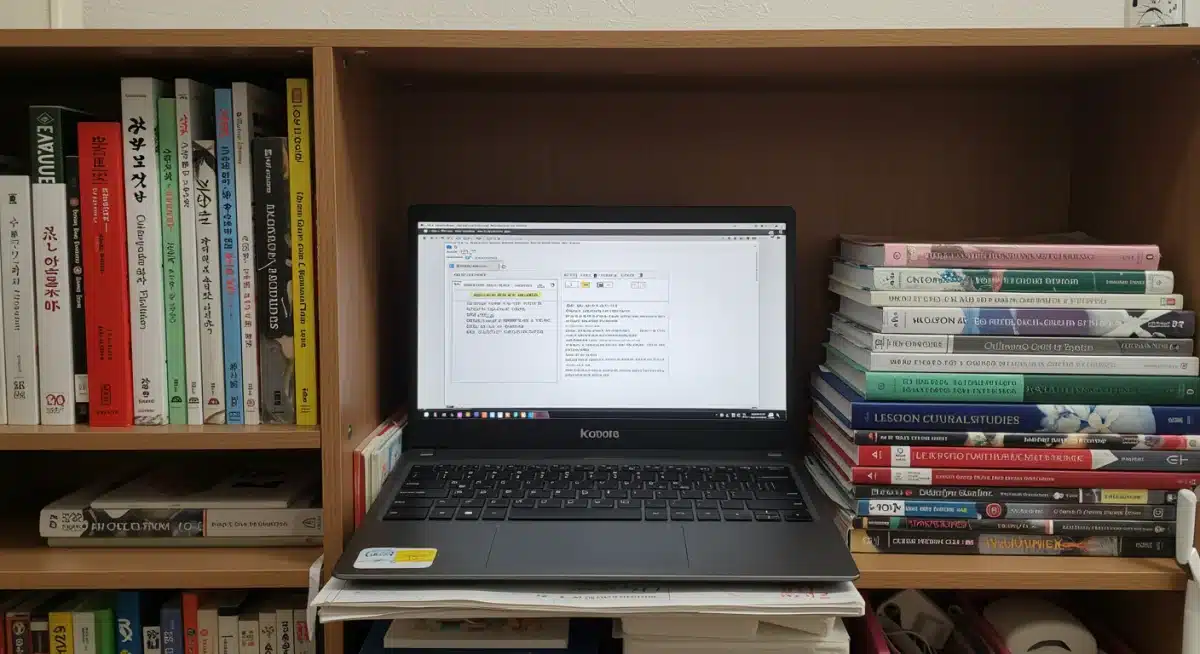
- Textbooks and Books: While K-Dramas offer direct immersion, supplementary texts on Korean history, society, and culture can provide essential context and deepen understanding.
- News Articles and Documentaries: Current events related to South Korea and documentaries on the Korean Wave can offer additional contemporary relevance and critical perspectives.
- Guest Speakers: Invite Korean cultural experts, academics, or even students who have lived in Korea to share their insights and experiences.
Challenges and Considerations for U.S. Educators
While the benefits of integrating K-Drama cultural studies are numerous, educators must also be mindful of potential challenges:
1. Content Appropriateness and Selection
Not all K-Dramas are suitable for all age groups or classroom settings. Educators must carefully preview content for themes, language, and mature subjects. Selecting age-appropriate and curriculum-relevant dramas or specific scenes is crucial. Consider parental consent for certain content, especially in younger grades.
2. Time Constraints and Curriculum Overload
Adding new material to an already packed curriculum can be daunting. Focus on integrating K-Drama elements strategically rather than attempting to teach entire series. Use clips, specific episodes, or thematic excerpts that directly support learning objectives. Collaborate with colleagues in other departments to share the load and create interdisciplinary units.
3. Technical Requirements
Ensure your classroom has the necessary technology (projector, internet access, speakers) to stream K-Dramas effectively. Familiarize yourself with streaming platforms and troubleshooting common issues. Subtitles are essential for non-Korean speakers, so ensure they are clear and accurate.
4. Cultural Nuances and Misinterpretations
K-Dramas, like any cultural product, are open to interpretation. Educators should guide discussions to prevent misinterpretations or the perpetuation of stereotypes. Encourage critical thinking about how cultural values are portrayed and how they might differ from or align with students’ own experiences. Provide historical and social context to help students understand the underlying messages and cultural significance.
5. Bias and Representation
Discuss with students the concept of media representation. Are K-Dramas always an accurate reflection of Korean society, or do they present an idealized or dramatized version? Encourage students to question what is shown and what might be omitted, fostering a more nuanced understanding of both the media and the culture it represents.
Developing a K-Drama Cultural Studies Unit: A Step-by-Step Guide
For educators looking to build a dedicated unit around K-Drama cultural studies, here’s a structured approach:
Step 1: Define Learning Objectives
Clearly articulate what students should know, understand, and be able to do by the end of the unit. Objectives might include: analyzing narrative techniques, identifying key cultural values, comparing Korean and Western societal norms, or evaluating media’s role in cultural exchange.
Step 2: Select Appropriate K-Dramas/Clips
Based on your learning objectives and student age group, carefully select 1-3 K-Dramas or specific episodes/clips. Consider variety in genre (historical, romance, social commentary) to offer diverse perspectives. Preview all content thoroughly.
Step 3: Develop Pre-Viewing Activities
Prepare students for what they are about to watch. This could involve:
- Background Reading: Provide short articles or summaries on Korean history, culture, or the specific themes of the K-Drama.
- Vocabulary Building: Introduce key terms, cultural concepts, or Korean phrases that will appear in the drama.
- Discussion Prompts: Engage students in discussions about their existing knowledge of Korea, their experiences with global media, or their expectations for the drama.
Step 4: Integrate Viewing with Active Learning
Watching K-Dramas should be an active, not passive, experience:
- Guided Questions: Provide students with questions to answer while watching, focusing on plot, character, cultural elements, or media techniques.
- Pause and Discuss: Periodically pause the drama to discuss key scenes, clarify confusion, or explore cultural nuances.
- Note-Taking Templates: Offer structured note-taking guides to help students identify and record important information and observations.
Step 5: Design Post-Viewing Activities and Assessments
Reinforce learning and assess understanding through various activities:
- Class Discussions: Facilitate in-depth discussions on themes, character motivations, cultural impact, and media literacy.
- Written Responses: Assign essays, journal entries, or analytical paragraphs on specific aspects of the K-Drama.
- Creative Projects: Encourage students to create presentations, artwork, short stories, or even their own K-Drama trailers inspired by what they’ve learned.
- Debates: Organize debates on controversial themes or ethical dilemmas presented in the K-Drama.
Step 6: Reflect and Refine
After implementing the unit, gather student feedback and reflect on what worked well and what could be improved. This iterative process will help refine your approach to K-Drama cultural studies for future iterations.
The Broader Impact: Fostering Global Citizens
Beyond the immediate classroom benefits, integrating K-Drama cultural studies has a profound broader impact. It helps in fostering global citizens who are culturally aware, empathetic, and capable of critically engaging with diverse perspectives. In an increasingly interconnected world, understanding different cultures is not just a desirable trait but a necessity.
By Fall 2026, the landscape of education will continue to evolve, with an ever-greater emphasis on interdisciplinary learning, digital literacy, and global competence. K-Dramas, as a dynamic and globally resonant cultural phenomenon, fit perfectly into this evolving educational paradigm. They offer a unique bridge between entertainment and education, transforming what might typically be seen as leisure into a powerful learning experience.
Imagine students not just memorizing facts about Korea, but emotionally connecting with characters navigating similar challenges to their own, albeit in a different cultural context. This emotional engagement can lead to deeper learning and a more lasting impact on their worldview. It can spark a lifelong interest in other cultures, languages, and global affairs, preparing them for a future where cultural intelligence is a key asset.

Future Outlook for K-Drama in U.S. Education
The trend of incorporating popular culture into education is not new, but the rapid acceleration and global reach of the Hallyu wave provide an unprecedented opportunity. By Fall 2026, we anticipate seeing more structured programs and resources emerging to support U.S. educators in integrating K-Drama cultural studies. This could include:
- Dedicated Curricula: Development of standardized or adaptable K-Drama cultural studies curricula by educational organizations.
- Teacher Training Programs: Increased availability of professional development courses specifically designed to train educators on how to effectively use K-Dramas in the classroom.
- Partnerships: Stronger collaborations between U.S. educational institutions and Korean cultural centers or universities to facilitate resource sharing and cultural exchange.
- Online Repositories: Creation of online platforms where educators can share lesson plans, resources, and best practices for teaching K-Drama cultural studies.
The proactive engagement of educators now will pave the way for these future developments, solidifying K-Drama cultural studies as a legitimate and valuable component of a comprehensive global education.
Conclusion
The integration of K-Drama cultural studies into the U.S. curriculum by Fall 2026 is not just a trend; it’s a strategic move towards a more engaging, relevant, and globally-minded education. K-Dramas offer an unparalleled medium to explore complex cultural, social, and historical themes, fostering critical thinking, media literacy, and cross-cultural empathy in students.
While challenges exist, with careful planning, resource utilization, and a commitment to thoughtful pedagogy, U.S. educators can successfully navigate this new wave. By embracing K-Dramas, we empower our students to become more informed, compassionate, and globally aware citizens, ready to thrive in an increasingly interconnected world. The time to act is now, preparing our students for a future where understanding and appreciating diverse cultures, as illuminated through the captivating world of K-Dramas, is paramount.