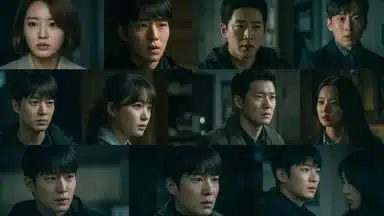
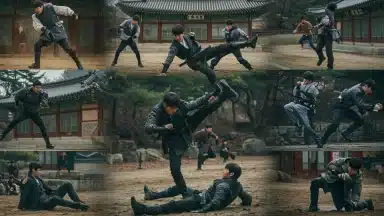
The global entertainment landscape is an ever-evolving tapestry, constantly introducing new threads and patterns that captivate audiences across continents. Among the most prominent and fascinating developments of the past decade has been the meteoric rise of Korean dramas, or K-dramas, which have transcended their regional origins to become a worldwide phenomenon. While contemporary K-dramas have certainly garnered immense popularity, it is the historical K-dramas that are increasingly carving out a unique and significant niche, particularly among American audiences by 2026. These meticulously crafted narratives, often set against the rich backdrop of Korea’s dynastic past, are doing more than just entertaining; they are actively redefining storytelling for a Western viewership, moving beyond the conventional romantic tropes to explore deeper, more complex themes. This shift marks a crucial evolution in how international content is consumed and appreciated, highlighting the growing sophistication of American viewers and their appetite for diverse narrative forms. The impact of these shows extends beyond mere viewership numbers; they are influencing cultural perceptions, inspiring academic interest, and even shaping future trends in global television production. The intricate blend of historical accuracy, compelling character development, and universal human experiences present in these dramas offers a refreshing alternative to much of the content traditionally available in the American market. As we delve into the specific ways in which historical K-dramas are achieving this, it becomes clear that their success is not accidental but rather the result of a deliberate and masterful approach to narrative construction and thematic exploration. The year 2026 stands as a pivotal moment, where the culmination of years of growing interest has cemented historical K-dramas as a major force in American media consumption, prompting a re-evaluation of what constitutes compelling and universally resonant storytelling.
The Resurgence of Historical K-Drama Trends in the American Market
For decades, American television screens were primarily dominated by domestic productions or, occasionally, British imports. The notion that a historical drama from a non-Western country, particularly one with subtitles, could capture a mainstream American audience seemed improbable. However, the advent of streaming platforms and a growing global consciousness have shattered these preconceived notions. By 2026, historical K-dramas are no longer a niche interest but a significant part of the American viewing diet. This resurgence isn’t merely about increased accessibility; it’s about the inherent quality and universal appeal of these narratives. The intricate plotting, the stunning cinematography, and the deep emotional resonance found in shows like "Kingdom," "Mr. Sunshine," and "Empress Ki" have proven that compelling storytelling transcends language barriers. American audiences, increasingly fatigued by formulaic domestic content, are actively seeking out fresh perspectives and narrative depth. Historical K-dramas offer a rich tapestry of human experience, exploring themes of power, loyalty, sacrifice, love, and ambition against the backdrop of significant historical events. This contextual richness adds layers of meaning that resonate deeply, fostering a greater understanding of Korean culture and history while simultaneously reflecting universal human struggles. The strategic use of the keyword Historical K-Drama Trends throughout this discussion underscores the analytical focus on how these shows are not just popular, but are shaping new directions in global media consumption. The meticulous attention to historical detail, from costumes and architecture to social customs and political structures, provides an immersive experience that transports viewers to another time and place, making history feel alive and immediate. This level of production value, often rivaling Hollywood blockbusters, further enhances their appeal. The narratives themselves are often complex, featuring morally ambiguous characters, unexpected plot twists, and a willingness to explore the darker facets of human nature, which provides a refreshing contrast to more sanitized Western historical dramas. Furthermore, the emotional intensity and character-driven storytelling, hallmarks of K-dramas in general, are particularly effective in historical settings, allowing for profound explorations of personal journeys amidst epic historical movements. This blend of individual struggle and grand historical narrative is a powerful draw for audiences seeking more than just superficial entertainment, solidifying the presence of Historical K-Drama Trends as a vital and dynamic force.
Beyond Romance: Shifting Narrative Focus in Historical K-Dramas
While romance has undeniably been a significant element in many K-dramas, contemporary historical productions are consciously and effectively moving beyond it as the sole or primary narrative driver. This is one of the most crucial shifts redefining storytelling for American audiences. In 2026, viewers are witnessing historical K-dramas that prioritize political intrigue, social commentary, epic battles, and philosophical dilemmas. Love stories are often present, but they serve as subplots that enrich the main narrative rather than dominating it. For example, a drama might explore the brutal power struggles within the royal court, with a budding romance developing organically amidst the danger and deception. This nuanced approach allows for a broader exploration of historical contexts and character motivations. The focus has broadened to include themes of justice, rebellion, technological innovation within historical constraints, and the clash of ideologies. This strategic repositioning caters to a more mature and intellectually curious audience that appreciates stories with substance and complexity. The exploration of these diverse themes underpins the current Historical K-Drama Trends, demonstrating a maturation of the genre. Instead of merely presenting a love story set in the past, these dramas delve into the societal structures, ethical quandaries, and personal sacrifices that defined historical eras. They portray the lives of common people, scholars, warriors, and strategists with equal depth, offering a multi-faceted view of history that is both educational and entertaining. This evolution signifies a departure from earlier K-drama stereotypes, proving that the genre is capable of tackling weighty subjects with grace and impact. The narratives often highlight the resilience of the human spirit in the face of adversity, the enduring power of family and community, and the constant struggle between individual desires and societal expectations. By weaving these intricate threads together, historical K-dramas create a rich tapestry of human experience that resonates universally, further solidifying their place in the evolving global media landscape as a key aspect of Historical K-Drama Trends.
Key Narrative Shift 1: Deep Dive into Political Intrigue and Power Struggles
One of the most compelling aspects of modern historical K-dramas is their masterful portrayal of political intrigue. Gone are the days when historical dramas were merely backdrops for a simple love triangle. By 2026, these shows are dissecting the intricate web of power, conspiracy, and betrayal within ancient Korean courts with a sophistication that rivals political thrillers. Audiences are drawn into narratives where every whispered conversation, every strategic alliance, and every calculated move by ministers, queens, and kings can mean life or death, or the rise and fall of an empire. This focus on political machinations provides a thrilling intellectual challenge for viewers, encouraging them to piece together clues, anticipate betrayals, and understand the complex motivations of each character. The historical context provides a fertile ground for exploring universal themes of ambition, corruption, and the burden of leadership. These dramas often humanize historical figures, showing their vulnerabilities and moral dilemmas amidst the ruthless pursuit of power. The intensity of these power struggles, often depicted with high stakes and dramatic tension, keeps viewers on the edge of their seats, proving that historical settings are ripe for intricate, high-stakes drama. This narrative strategy is a significant contributor to the current Historical K-Drama Trends, appealing to audiences who appreciate intelligent, thought-provoking content. The intricate plotting, often spanning multiple episodes and involving a large cast of characters, requires careful attention from the viewer, rewarding them with a deeply satisfying and immersive experience. The political landscape is not just a setting but an active character, shaping the destinies of individuals and nations. The nuanced portrayal of different factions, their ideologies, and their methods of gaining and maintaining power offers valuable insights into political dynamics that transcend time and culture. This compelling blend of historical fact and dramatic interpretation makes these narratives incredibly captivating, demonstrating a clear evolution in Historical K-Drama Trends towards greater narrative depth and complexity.
Key Narrative Shift 2: Emphasis on Social Commentary and Class Dynamics
Beyond the grandeur of royalty and the cutthroat world of politics, historical K-dramas are increasingly using their settings to offer poignant social commentary. By 2026, American audiences are recognizing and appreciating the nuanced exploration of class dynamics, gender roles, and societal injustices prevalent in historical Korea, which often draw parallels to contemporary issues. These dramas shed light on the struggles of commoners, slaves, and marginalized groups, giving voice to those often overlooked in traditional historical accounts. They examine the rigid social hierarchies, the challenges faced by women in patriarchal societies, and the constant struggle for upward mobility or even basic human dignity. This focus transforms historical narratives into powerful vehicles for critical reflection, prompting viewers to consider ethical questions about fairness, equality, and human rights that remain relevant today. The ability of these shows to weave complex social issues into engaging storylines is a hallmark of the evolving Historical K-Drama Trends. They challenge viewers to look beyond the surface and engage with the underlying social structures and power imbalances that shaped historical periods. For instance, narratives might follow a character from a humble background who rises to prominence through sheer talent and perseverance, highlighting themes of meritocracy versus inherited privilege. Or they might depict the harsh realities of life for those at the bottom of the social ladder, fostering empathy and understanding. This emphasis on social realism, even within historical fiction, adds a layer of authenticity and emotional weight that resonates deeply with a global audience. The exploration of these themes provides a valuable educational component, offering insights into the historical development of social structures and their enduring impact. By showcasing the resilience and agency of individuals within oppressive systems, these dramas inspire and provoke thought, further cementing their status as a significant part of the current Historical K-Drama Trends and their impact on American audiences.
Key Narrative Shift 3: Complex Character Development and Moral Ambiguity
One of the most refreshing deviations from traditional storytelling, especially for American audiences, is the embrace of complex character development and moral ambiguity in historical K-dramas. By 2026, viewers are increasingly drawn to characters who are not simply good or evil, but rather multifaceted individuals grappling with difficult choices and internal conflicts. This nuanced portrayal reflects the complexities of real human experience, making the characters more relatable and compelling. Protagonists often make questionable decisions, antagonists sometimes display moments of humanity, and supporting characters possess their own intricate backstories and motivations. This eschews simplistic black-and-white morality in favor of a more realistic depiction of human nature, where circumstances, survival, and personal beliefs often blur the lines between right and wrong. This approach encourages empathy and critical thinking, as viewers are challenged to understand the perspectives of various characters, even those whose actions they might condemn. This level of psychological depth is a significant factor in the growing appeal of Historical K-Drama Trends. The narratives explore the internal struggles of characters torn between duty and desire, loyalty and ambition, love and revenge. These internal conflicts often drive the plot forward, creating compelling drama that goes beyond external events. The characters are allowed to evolve, make mistakes, learn from them, and sometimes even fail, which makes their journeys all the more resonant. This humanization of historical figures, whether real or fictional, makes the past feel less distant and more immediate. The willingness to portray human flaws and contradictions adds a layer of authenticity that many American productions shy away from, often preferring clear-cut heroes and villains. This sophisticated character work is a testament to the narrative prowess of historical K-dramas, offering a rich psychological landscape for audiences to explore and contributing significantly to the current Historical K-Drama Trends.
Key Narrative Shift 4: Epic Scope and Cinematic Grandeur
While not strictly a narrative shift in terms of plot, the increasingly epic scope and cinematic grandeur of historical K-dramas significantly contribute to their redefined storytelling for American audiences. By 2026, these productions are consistently delivering breathtaking visuals, elaborate set designs, stunning period costumes, and large-scale battle sequences that rival major Hollywood films. This commitment to high production value creates an incredibly immersive viewing experience that transports audiences directly into the past. The meticulous attention to detail in recreating historical environments, from bustling cityscapes to serene palaces and vast natural landscapes, adds an unparalleled layer of authenticity and visual splendor. This commitment to visual excellence is not merely for aesthetic appeal; it enhances the storytelling by providing a rich, believable world for the characters and plot to unfold within. The scale of these productions allows for narratives that span years, even decades, covering significant historical events and the long-term impact on characters and society. This epic scope provides ample room for complex storylines, character arcs, and thematic exploration, making historical K-dramas a truly expansive form of storytelling. The use of advanced cinematography, stunning visual effects, and grand orchestral scores elevates the viewing experience to an art form, drawing in viewers who appreciate high-quality cinematic content. This visual and auditory feast is a powerful draw and a key element of the current Historical K-Drama Trends. The ability to present history on such a grand and captivating scale makes these stories feel larger than life, transforming historical events into compelling human dramas. Furthermore, the combination of intricate narratives with such lavish production values creates a unique viewing proposition that distinguishes historical K-dramas from many other global offerings. This grand scale also enables the exploration of themes like national identity, historical legacy, and the weight of tradition in a visually compelling manner, enriching the overall narrative and solidifying its place within global Historical K-Drama Trends.
The Cultural Impact and Future of Historical K-Drama Trends
The growing popularity of historical K-dramas in the U.S. by 2026 is not just a fleeting trend; it represents a significant cultural impact and points towards a fascinating future for global entertainment. American audiences are not only consuming these shows but are also engaging with Korean history and culture in unprecedented ways. This exposure is fostering a greater understanding and appreciation of a non-Western historical perspective, challenging ethnocentric biases, and promoting cross-cultural dialogue. Viewers are becoming more familiar with Korean customs, societal norms, philosophical underpinnings, and historical milestones, transforming entertainment into an educational journey. This cultural exchange is profound, breaking down barriers and building bridges between different societies. The success of these dramas is also influencing production companies globally, demonstrating that there is a vast, untapped market for diverse, high-quality historical content. The narrative flexibility and thematic depth showcased in these productions are inspiring creators worldwide to think beyond conventional formats and explore more complex storytelling avenues. Furthermore, the continued evolution of Historical K-Drama Trends suggests that future productions will delve even deeper into lesser-known historical periods, explore more experimental narrative structures, and continue to push the boundaries of visual storytelling. We might see more collaborative projects between Korean and American production houses, blending stylistic elements and thematic concerns from both cultures to create truly global narratives. The embrace of subtitled content by a broader American audience also signals a shift towards a more open and inclusive media landscape, where language is no longer a significant barrier to appreciating excellent storytelling. This creates a virtuous cycle: as more Americans watch and appreciate historical K-dramas, the demand for more such content grows, further encouraging investment and innovation in the genre. This enduring impact solidifies the position of Historical K-Drama Trends as a transformative force in the global entertainment industry, promising a future rich with diverse and compelling historical narratives. The ability of these shows to evoke strong emotions, stimulate intellectual curiosity, and provide a window into a different world ensures their continued relevance and influence. As we look ahead, the trajectory of historical K-dramas in the American market is poised for even greater heights, continuing to redefine what audiences expect from historical storytelling and shaping the future of international media consumption.
Conclusion: A New Era of Storytelling
In conclusion, by 2026, historical K-dramas have firmly established themselves as a powerful and transformative force in American entertainment. Their ability to move beyond simplistic romantic narratives to embrace complex political intrigue, poignant social commentary, morally ambiguous characters, and cinematic grandeur has redefined what American audiences expect from historical storytelling. These four key narrative shifts have not only captivated viewers but have also fostered a deeper appreciation for Korean history and culture, bridging cultural divides and expanding global perspectives. The meticulous craftsmanship, compelling character arcs, and universal themes explored in these dramas resonate deeply, proving that excellent storytelling transcends geographical and linguistic boundaries. The ongoing success and evolution of Historical K-Drama Trends signify a new era in television, where diversity in narratives and global content are not just welcomed but actively sought after. As these shows continue to innovate and expand their reach, they will undoubtedly leave an indelible mark on the global entertainment industry, inspiring future generations of storytellers and audiences alike to explore the rich tapestry of human history through a fresh and engaging lens. The journey of historical K-dramas from regional favorites to international sensations is a testament to the power of authentic storytelling and its capacity to connect people across the world, promising an exciting and diverse future for media consumption. The profound impact these narratives have had on American audiences is a clear indicator that the appetite for rich, complex, and culturally immersive stories is stronger than ever, firmly cementing historical K-dramas as a major player in the global storytelling arena.