Slice-of-Life K-Dramas: 4 Narrative Innovations Resonating with US Viewers
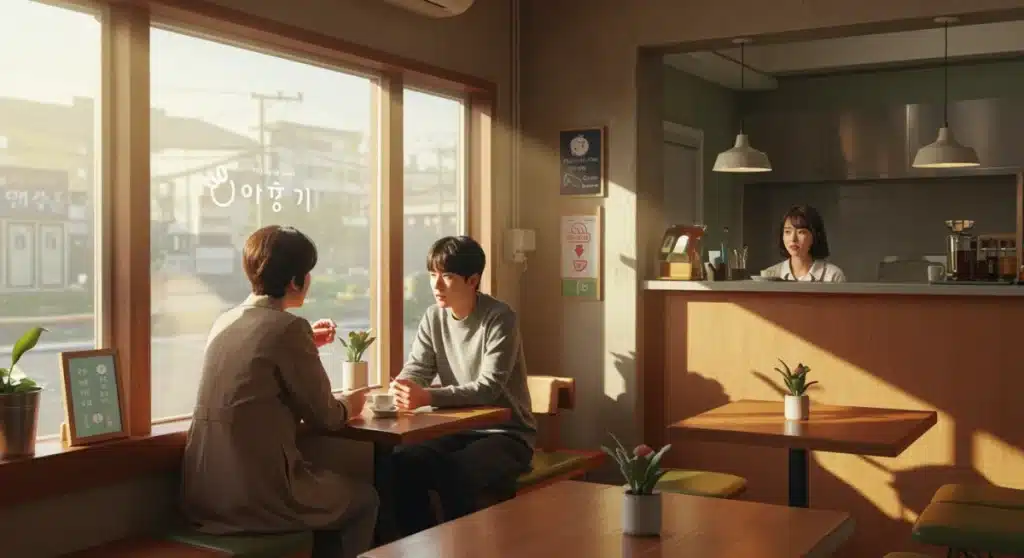
Slice-of-life K-dramas in 2026 are increasingly resonating with American audiences due to their subtle narrative innovations, offering fresh perspectives on everyday experiences and evolving the genre’s appeal.
The allure of Korean dramas has steadily grown globally, and specifically in the United States, a particular subgenre has found a profound connection with viewers: slice-of-life K-dramas. These dramas, known for their focus on ordinary events and relatable human experiences, have evolved significantly by 2026. They are no longer just simple narratives; they incorporate subtle yet impactful innovations that are deeply resonating with American audiences, offering insider knowledge into the genre’s intricate nuances. This article delves into four key narrative innovations that define the contemporary slice-of-life K-drama landscape and explain their growing appeal across the Atlantic.
The Rise of Multi-Perspective Storytelling
One of the most compelling innovations in 2026 slice-of-life K-dramas is the sophisticated use of multi-perspective storytelling. Unlike traditional narratives that often center on a single protagonist, these newer dramas weave together the viewpoints of several characters, offering a richer, more complex tapestry of life. This approach allows viewers to experience events from various angles, fostering a deeper empathy and understanding of each character’s motivations and struggles.
This narrative technique mirrors the complexity of real-life interactions, where different people perceive the same event in distinctly unique ways. By presenting these varied perspectives, K-dramas create a more immersive and thought-provoking experience, moving beyond simplistic good-versus-evil dichotomies to explore the shades of gray inherent in human nature.
Exploring Character Depth Through Multiple Lenses
- Enhanced Empathy: Viewers gain a comprehensive understanding of characters, moving beyond surface-level judgments.
- Complex Relationships: The intricate dynamics between characters are explored more thoroughly, showcasing their growth and conflicts.
- Relatable Scenarios: Everyday situations are presented in a way that highlights the universal aspects of human experience, even across cultural divides.
The shift to multi-perspective narratives is a deliberate choice that elevates the slice-of-life genre, transforming it from mere observation into an interactive exploration of shared humanity. This innovation allows for a broader appeal, as more viewers can find a character or a viewpoint that resonates with their own experiences, making the stories feel profoundly personal and universal at the same time.
Nuanced Portrayals of Mental Health and Well-being
Another significant innovation lies in the increasingly nuanced and sensitive portrayals of mental health and well-being. Historically, mental health issues were often dramatized or simplified in media. However, 2026 slice-of-life K-dramas approach these topics with remarkable subtlety and realism, destigmatizing conditions and promoting open dialogue.
These dramas depict characters grappling with anxiety, depression, burnout, and other mental health challenges in ways that feel authentic and non-sensationalized. They highlight the everyday struggles, the small victories, and the importance of seeking support, whether from friends, family, or professionals. This sensitive treatment reflects a growing societal awareness and a commitment to providing narratives that genuinely reflect the human condition.
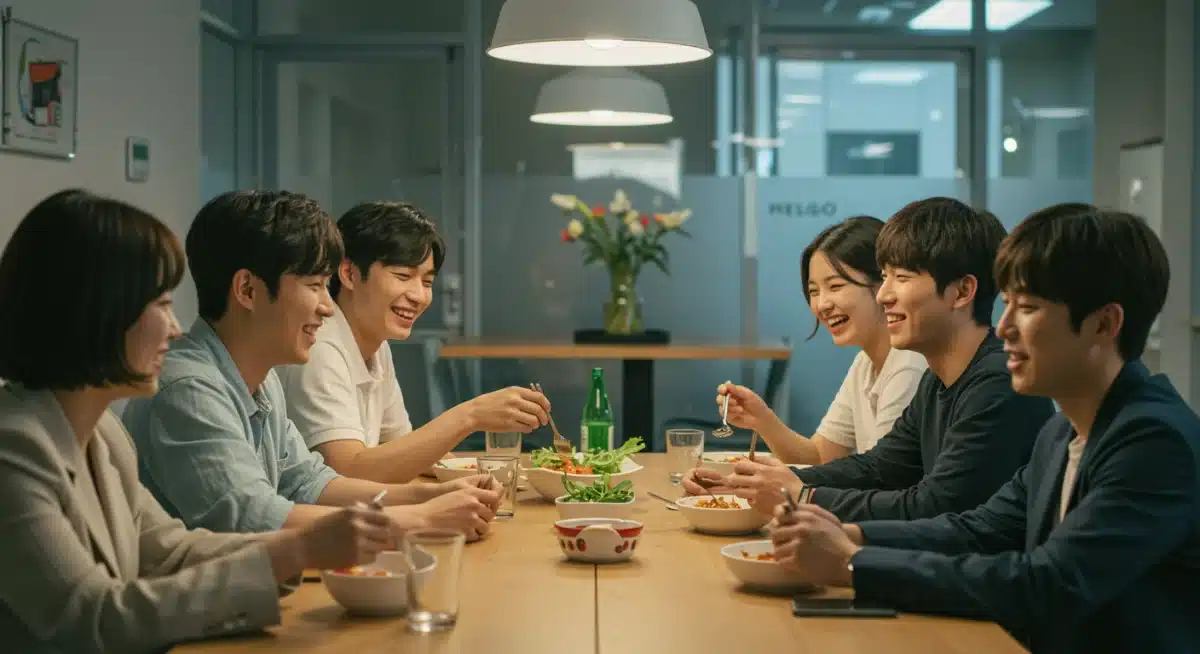
The impact of such portrayals on American viewers is considerable. In a society where mental health discussions are becoming more prevalent, these K-dramas offer a comforting sense of solidarity and understanding, showing that such struggles are universal. They provide a gentle, yet powerful, platform for encouraging self-care and empathy.
Subtle Approaches to Emotional Depth
- Authentic Character Arcs: Characters develop realistically as they navigate emotional challenges, showing progress and setbacks.
- Destigmatization: Mental health issues are presented as part of life’s journey, not as flaws or sensational plot devices.
- Emphasis on Healing: The narratives focus on the process of recovery and the importance of support networks, offering hope.
By integrating mental health themes seamlessly into everyday stories, these K-dramas not only entertain but also educate and inspire, fostering a more compassionate understanding of human vulnerability and resilience.
The Exploration of Non-Traditional Family Structures
The concept of family has always been central to K-dramas, but 2026 slice-of-life series are boldly expanding this definition to include non-traditional family structures. This innovation moves beyond nuclear families to explore chosen families, single-parent households, co-parenting arrangements, and even communities that function as familial units.
These narratives challenge conventional notions of what constitutes a family, celebrating the diverse ways in which people find belonging, support, and love. They delve into the emotional complexities and unique challenges faced by individuals in these structures, offering a refreshing and inclusive perspective on modern familial bonds. This resonates strongly with American audiences, who increasingly recognize and embrace a wider variety of family dynamics in their own lives.
The exploration of these diverse family models highlights themes of acceptance, unconditional love, and the idea that family is built on connection rather than solely on blood ties. This progressive approach makes the dramas more relatable and reflective of contemporary society, fostering a sense of recognition and validation for viewers whose own family situations might deviate from traditional norms.
Redefining Familial Bonds
- Chosen Families: Friend groups or communities that provide the emotional support typically associated with family.
- Single-Parent Narratives: Realistic portrayals of the joys and difficulties of raising children alone.
- Intergenerational Households: Stories that highlight the unique dynamics and wisdom exchanged between different generations living together.
This narrative innovation reflects a broader cultural shift towards inclusivity and understanding, making slice-of-life K-dramas a powerful medium for social commentary and connection.
Integration of Technology and Digital Life Realism
In 2026, slice-of-life K-dramas have masterfully integrated technology and digital life into their narratives in a way that feels incredibly realistic and authentic. Unlike earlier dramas where technology might have been a plot device, current series weave it into the fabric of daily life, reflecting how deeply intertwined our existences are with digital platforms, social media, and online interactions.
Characters are shown navigating the complexities of online relationships, remote work, digital communication, and the constant presence of screens. This integration isn’t always glamorous; it often explores the anxieties, misunderstandings, and pressures that come with a hyper-connected world, alongside its conveniences and joys. This realism is particularly resonant with American viewers, who are equally immersed in digital culture and can instantly recognize these everyday scenarios.
The portrayal of technology in these dramas is rarely preachy or overly critical; instead, it’s observational, showcasing how digital tools shape relationships, careers, and personal identities. From video calls with distant family members to the subtle art of online dating and the challenges of maintaining a digital footprint, these series offer a mirror to our modern lives.
Reflecting the Digital Age
- Social Media Impact: How online presence and interactions influence self-perception and relationships.
- Remote Work Dynamics: The challenges and benefits of working from home, a common experience globally.
- Digital Communication Nuances: The subtle ways messages are conveyed or misconstrued through texts and online platforms.
By portraying digital life with such authenticity, these slice-of-life K-dramas provide a contemporary relevance that transcends cultural boundaries, making them highly appealing to a digitally native audience.
Embracing the Mundane with Poetic Nuance
The final, yet equally significant, innovation in slice-of-life K-dramas by 2026 is their unparalleled ability to embrace the mundane with a poetic nuance. While the genre has always focused on everyday life, the current iteration elevates ordinary moments into profound reflections on existence. These dramas find beauty in the quietest moments: a shared meal, a walk in the park, a thoughtful conversation, or simply observing the changing seasons.
This poetic approach transforms the ordinary into something extraordinary, inviting viewers to slow down and appreciate the small details of their own lives. The cinematography, music, and pacing often contribute to this meditative quality, creating an atmosphere that is both calming and deeply moving. This resonates deeply with American viewers seeking a respite from fast-paced, high-stakes narratives, offering a form of escapism that encourages introspection rather than pure adrenaline.
The power of this innovation lies in its ability to remind us that life’s true richness often lies in its simplest forms. It encourages a mindful approach to daily living, highlighting the emotional depth and significance that can be found in routine. This gentle yet impactful storytelling style cultivates a sense of peace and contentment, qualities often sought after in a chaotic world.
Finding Beauty in the Everyday
- Mindful Storytelling: Encourages viewers to appreciate the present moment and the beauty in simplicity.
- Visually Aesthetic: Utilizes cinematography and soundscapes to elevate ordinary scenes into artistic expressions.
- Emotional Resonance: Connects with audiences on a deeper, more reflective level by focusing on universal human experiences.
By consistently showcasing the inherent poetry in everyday existence, these K-dramas offer not just entertainment, but a gentle philosophy for living, making them profoundly appealing and enduring.
The Evolution of Character Arcs and Growth
Beyond individual innovations, the cumulative effect of these narrative shifts is most evident in the evolution of character arcs within slice-of-life K-dramas. In 2026, characters are no longer static entities serving a singular plot; they are dynamic individuals who undergo profound, yet subtle, growth throughout the series. This development is often internal, focusing on emotional maturity, self-discovery, and the gradual understanding of their place in the world.
These arcs are not always dramatic or sudden; instead, they are organic, mirroring the slow, often imperceptible changes that occur in real life. A character might learn to forgive, to accept help, to pursue a long-forgotten dream, or to simply find contentment in their current circumstances. This focus on realistic, incremental growth makes the characters incredibly relatable and their journeys deeply inspiring to American audiences.
The beauty of these evolving character arcs lies in their authenticity. Viewers witness characters stumble, learn, and ultimately grow in ways that feel earned and genuine. This fosters a strong connection, as audiences invest emotionally in the characters’ transformations, celebrating their small victories and empathizing with their struggles. This nuanced approach to character development is a hallmark of the genre’s maturity.
Realistic Personal Journeys
- Subtle Transformations: Growth is portrayed as a gradual process, reflecting real-life personal development.
- Internal Conflicts: Focus on characters overcoming personal doubts and insecurities rather than external antagonists.
- Relatable Milestones: Celebrating achievements like finding a new hobby, making a difficult decision, or forming a new friendship.
This emphasis on authentic character evolution solidifies the genre’s position as a powerful medium for exploring the human condition in all its complexity and beauty.
| Key Innovation | Brief Description |
|---|---|
| Multi-Perspective Storytelling | Weaving together multiple viewpoints for deeper empathy and complex character understanding. |
| Nuanced Mental Health Portrayals | Realistic and sensitive depiction of mental health struggles, fostering dialogue and destigmatization. |
| Non-Traditional Family Structures | Expanding the definition of family to include chosen families and diverse household arrangements. |
| Digital Life Realism | Authentic integration of technology and online interactions into daily narratives. |
Frequently Asked Questions About Slice-of-Life K-Dramas
They offer relatable narratives focusing on everyday struggles and triumphs, fostering deep emotional connections. Their subtle storytelling and focus on human experiences resonate universally, providing a comforting and insightful viewing experience that transcends cultural barriers for American audiences.
Unlike earlier portrayals, 2026 slice-of-life K-dramas depict mental health with remarkable realism and sensitivity. They destigmatize conditions by integrating them naturally into character arcs, showing the daily impact and importance of support, which promotes open dialogue and empathy.
It involves presenting events from the viewpoints of several characters, not just one protagonist. This technique allows for a more comprehensive understanding of relationships and motivations, enriching the narrative tapestry and making stories more complex and empathetic for viewers.
Yes, 2026 slice-of-life K-dramas increasingly explore diverse family dynamics, including chosen families, single-parent households, and intergenerational living. This inclusive approach challenges conventional definitions of family, reflecting modern societal structures and resonating with a broader audience.
Technology is seamlessly integrated into daily life, reflecting its pervasive role. Dramas explore online interactions, remote work, and social media with realism, showcasing both the benefits and challenges of a digitally connected world, making the stories highly relevant to contemporary audiences.
Conclusion
The evolution of slice-of-life K-dramas by 2026 marks a significant turning point in global entertainment. Through innovations like multi-perspective storytelling, nuanced mental health portrayals, the inclusion of non-traditional family structures, and realistic digital life integration, these dramas have transcended cultural barriers to deeply resonate with American viewers. They offer more than just entertainment; they provide a mirror to our shared human experiences, fostering empathy, understanding, and a deeper appreciation for the beauty in the mundane. As the genre continues to innovate, its influence on global storytelling and its ability to connect diverse audiences will undoubtedly grow, solidifying its place as a powerful and enduring form of media.